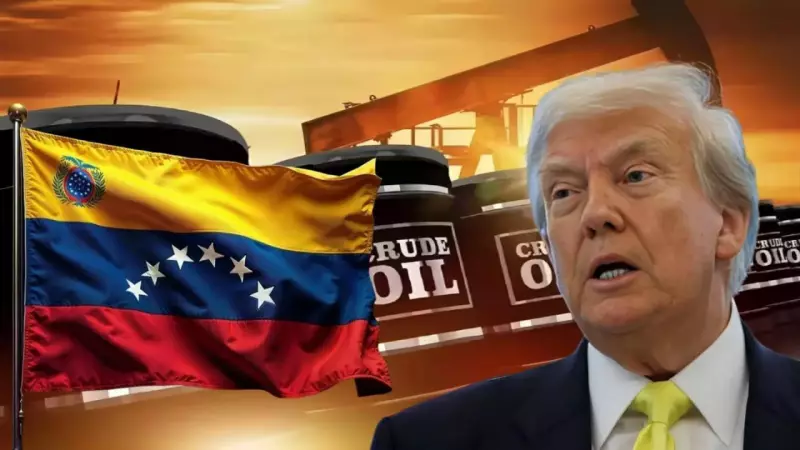
A potential US-led takeover or restructuring of Venezuela's crisis-hit oil industry could deliver a significant financial and strategic windfall for India, according to energy analysts and industry insiders. The move could unlock nearly $1 billion in long-overdue payments to Indian state-run firms and pave the way for the resumption of heavy crude oil imports that once fueled Indian refineries.
India's Stakes Stranded by Sanctions
India was once a top buyer of Venezuelan heavy crude, with imports peaking at over 400,000 barrels per day. This vital trade flow was severed in 2020 after expansive US sanctions made transactions risky and logistically impossible, forcing Indian refiners to abandon the market.
The sanctions also crippled operations of Indian companies on the ground. ONGC Videsh Ltd (OVL), the overseas arm of India's Oil and Natural Gas Corporation, holds a 40% stake in the San Cristobal oilfield in eastern Venezuela. Output there has plummeted as US restrictions blocked access to essential equipment, technology, and services, stranding commercially viable reserves.

Financially, the standstill has been costly. Caracas has failed to clear dividend payments owed to OVL, with $536 million pending up to 2014 alone. A similar amount is due for subsequent years, but audits have been frozen, halting any settlement.
Pathway to Recovery and Resumed Production
Analysts believe the landscape could shift dramatically if a US military intervention removes President Nicolas Maduro and places Venezuela's vast oil resources under American oversight. US President Donald Trump has indicated that American oil firms would then work to repair infrastructure and restart production.
Officials familiar with the matter state that once restrictions ease, OVL could swiftly transport drilling rigs and equipment from ONGC's fields in Gujarat to the San Cristobal site. Production at the field has dwindled to a mere 5,000–10,000 barrels per day. However, with additional wells and modern equipment, it has the potential to surge to between 80,000 and 100,000 barrels per day.
US control would also allow Venezuelan crude exports to restart, creating a direct channel for OVL to recover its close to $1 billion in unpaid dues from future oil revenues. OVL had previously sought a specific US sanctions waiver, akin to one granted to Chevron, to operate and export oil.
Strategic Boost for Indian Energy Security
The implications extend beyond one oilfield. Indian firms have other stakes in Venezuela, including OVL's 11% share in the Carabobo-1 block and holdings by Indian Oil Corporation and Oil India. A restructuring of state-owned PDVSA under US oversight could reshape these partnerships.
Most importantly, India is poised to re-emerge as a key buyer if Venezuelan supplies return. "If sanctions are eased… trade flows can resume rapidly," said Kpler analyst Nikhil Dubey, highlighting that Indian refineries are technically well-suited to process Venezuelan heavy crude.
Before sanctions, Venezuela exported 707 million barrels of crude annually, with India and China accounting for 35% of that volume. A US-backed overhaul could lift production within a year, providing India a strategic alternative to Middle Eastern oil and significantly strengthening its bargaining power in global energy markets.