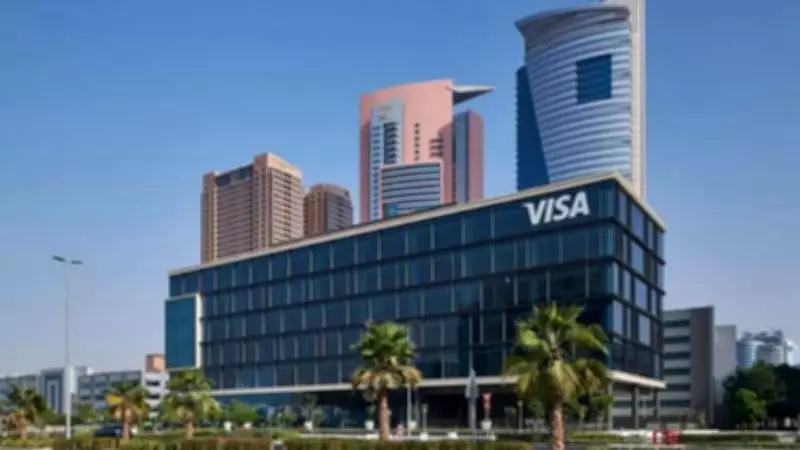
Visa Implements Dual Hub Strategy in Middle East Following Saudi Arabia's Regional Headquarters Mandate
Global payments leader Visa has announced a significant reorganization of its Middle East operations, establishing a dual-hub structure that reflects the profound impact of Saudi Arabia's regional headquarters policy on corporate strategies across the Gulf region. This strategic move comes at a time when Gulf states are intensifying their competition for foreign investment, specialized talent, and greater economic influence on the global stage.
Traditional Business Hub Dynamics and the New Saudi Mandate
For decades, multinational corporations have predominantly selected Dubai as their preferred base for Middle East regional management. The emirate's sophisticated business infrastructure, liberal economic policies, and cosmopolitan workforce have made it an attractive destination for international companies seeking to establish their regional presence. However, this established pattern is undergoing substantial transformation due to Saudi Arabia's 2024 regional headquarters policy.
The Saudi regulation mandates that companies must establish a formal regional headquarters within the Kingdom to remain eligible for government contracts and fully participate in state-sponsored economic programs. This policy represents a strategic component of Saudi Arabia's Vision 2030 economic diversification plan, which aims to transform the oil-dependent economy into a diversified global business hub through regulatory incentives and requirements across sectors including finance, technology, and infrastructure development.

Visa's Operational Restructuring: Dubai and Riyadh Dual Hubs
Under Visa's newly implemented organizational structure, the company has divided its Middle East activities into two distinct operational centers:
- Dubai Office: This hub will oversee and manage operations across the United Arab Emirates, Kuwait, and Qatar, maintaining Visa's established presence in these key markets.
- Riyadh Office: This newly empowered center will manage operations in Saudi Arabia, Bahrain, and Oman, reflecting the growing importance of the Saudi market and compliance with the Kingdom's headquarters requirements.
Both operational clusters will remain integrated within Visa's broader regional grouping that encompasses Central and Eastern Europe, Middle East, and Africa. However, this structural change represents a clear acknowledgment of Riyadh's expanding role in regional corporate governance and decision-making processes.
Broader Corporate Response and Gulf Economic Competition
Visa's strategic decision follows a broader pattern of multinational corporations responding to shifting commercial incentives across the Gulf region. According to Riyadh's government reports, more than 700 multinational companies have already established regional headquarters in Saudi Arabia since the implementation of the headquarters rule, indicating widespread compliance and the competitive momentum generated by the Gulf's largest economy.
Global financial institutions including BNY Mellon, Goldman Sachs, and Citigroup have similarly announced plans or received licenses to establish senior regional headquarters in Riyadh in recent years, underscoring this significant corporate trend. Saudi Arabia has been actively employing various economic policy instruments such as tax incentives, infrastructure investments, and headquarters mandates to attract foreign capital and specialized expertise to support its economic transformation objectives.
Strategic Implications for Corporate Operations in the Gulf
Visa's reorganization highlights several critical considerations for businesses and investors operating in the Middle East region:

- Regulatory Adaptability: Companies must maintain responsiveness to evolving government regulations to participate in lucrative state contracts and economic development programs.
- Regional Dual Presence Strategy: Maintaining operational capabilities across multiple Gulf hubs is becoming increasingly common, allowing firms to balance market access with regulatory compliance and business continuity.
- Emerging Talent and Business Hubs: Riyadh is rapidly developing as a headquarters destination, with policy incentives and infrastructure developments attracting global corporate functions and specialized talent.
- Dubai's Continued Relevance: Despite increasing competitive pressures, Dubai maintains its position as a vital center for finance, commerce, and technology in the region, offering market access and business services that many international firms continue to value.
Economic and Policy Context Supporting Corporate Restructuring
This corporate development occurs against the backdrop of broader shifts in Gulf labor and mobility policies. Saudi Arabia has been implementing liberalization measures including the abolition of the traditional Kafala sponsorship system in 2025 and granting workers greater mobility rights to enhance the Kingdom's attractiveness to expatriates and skilled professionals.
Visa's operational restructuring also intersects with regional visa and mobility reform initiatives, including proposals for a GCC unified visa system and mutual visa-waiver agreements between Saudi Arabia and countries such as Russia, designed to stimulate tourism, business exchange, and cultural interaction across the region.
Future Outlook for Corporate Strategy in a Transforming Region
Visa's operational reorganization provides a revealing snapshot of how economic policy and corporate strategy intersect in a region characterized by rapid transformation. As Saudi Arabia continues its determined push to diversify its economy and attract foreign corporations through targeted regulations, companies will likely continue developing innovative approaches to balance compliance requirements, market presence, and operational efficiency.
For multinational corporations operating in the Gulf, decisions regarding where to base key functions are no longer solely about infrastructure availability and talent pools. Strategic alignment with regional policy priorities and maximizing long-term growth potential in one of the world's most dynamic economic theaters have become equally crucial considerations. The evolving corporate landscape suggests that dual-hub strategies and flexible operational models will become increasingly prevalent as companies navigate the complex interplay of regulatory requirements and market opportunities across the Middle East region.