

Vizhinjam Port Loses Key Shipping Opportunity Amid Regional Conflict
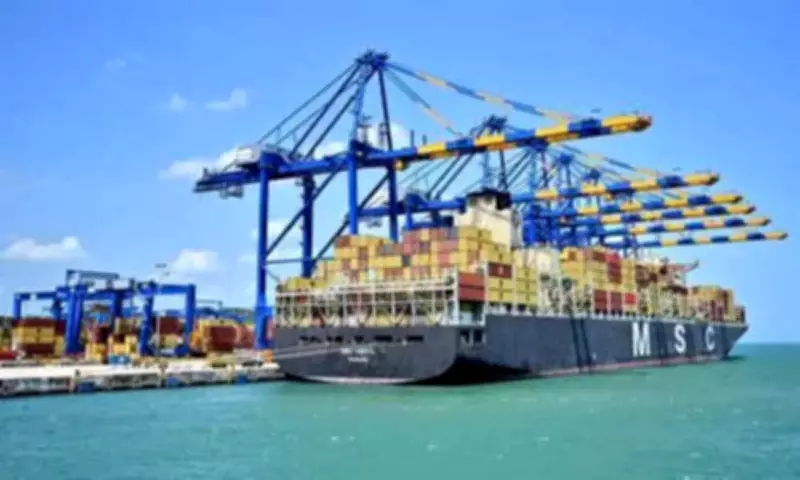
Vizhinjam International Seaport in Thiruvananthapuram has missed a significant opportunity to host container ships stranded en route to the Middle East due to the ongoing war in the region. The port, which is the nearest easily accessible deepwater facility to the international shipping line connecting Southeast Asia to the Middle East, capable of handling large motherships, had to decline multiple requests from shipping companies. This decision was necessitated by ongoing construction works and a yard already congested with containers from existing vessels.
Congestion and Construction Hinder Operations
A port official revealed that the facility has received several inquiries from shipping firms seeking to anchor their ships and unload containers. However, the port is experiencing a monthly surge in traffic, forcing it to turn down these requests. Currently, the yard is handling approximately 40,000 containers, far exceeding its designed capacity. As a result, the port has informed shipping companies that it cannot accommodate additional traffic at this time.
At any given moment, three to four ships are waiting in the outer anchorage for docking slots, highlighting the high demand. Despite these challenges, the port has already managed 890 ships and 1.858 million containers, demonstrating its growing popularity even before the completion of all construction phases and the initiation of transshipment via rail and road.

Expansion Plans and Future Potential
Construction is underway for the second phase, which aims to extend the berth to accommodate up to five motherships simultaneously. The influx of requests from shipping companies underscores the port's potential to evolve into a major global hub once expansion is finalized. This aligns with broader industry trends where ports are increasingly vital for international trade logistics.
Political Recognition and Global Significance
Thiruvananthapuram MP Shashi Tharoor emphasized the port's strategic importance in a social media post, declaring Vizhinjam as India's official transshipment answer to the world. He reflected on the project's origins, noting it was once considered a long-shot with many skeptics. Today, with disruptions in the Strait of Hormuz due to the Middle East conflict, the world is seeking reliable alternatives, and Vizhinjam is positioned to meet this demand. Tharoor stated, "India's first deep-water transshipment hub is no longer just a project; it's a global necessity."
The situation at Vizhinjam Port illustrates the critical balance between operational capacity and infrastructure development in the maritime sector. As global trade routes face instability, the need for efficient and scalable ports like Vizhinjam becomes increasingly apparent, setting the stage for its future role in international shipping.






