

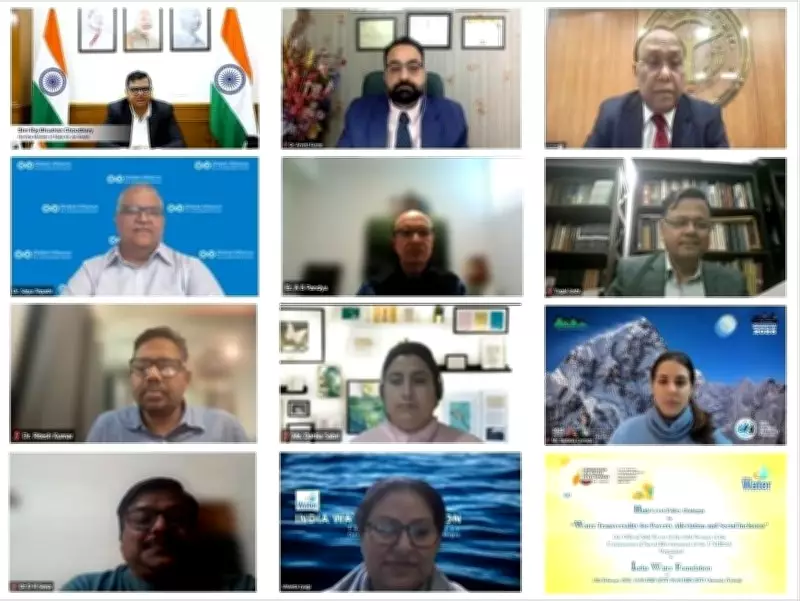
Water Transversality: A Path to Equity Through Integration
The concept of water transversality is gaining traction as a transformative approach to water management, emphasizing the integration of water resources across various sectors to unlock equity and sustainability. This holistic strategy moves beyond traditional siloed methods, recognizing water as a cross-cutting element that influences and is influenced by multiple domains such as agriculture, industry, urban development, and environmental conservation.
Understanding Water Transversality
Water transversality refers to the interconnectedness of water systems with other societal and economic sectors. It involves coordinating policies, investments, and practices to ensure that water management supports broader goals like social justice, economic growth, and ecological balance. By breaking down barriers between sectors, this approach aims to address water scarcity, pollution, and inequitable access more effectively.
Key Benefits of Integrated Water Management
The integration facilitated by water transversality offers several advantages:

- Enhanced Equity: By considering the needs of diverse communities, including marginalized groups, integrated systems can promote fairer water distribution and reduce disparities in access.
- Improved Sustainability: Coordinated efforts help protect water sources, reduce waste, and support long-term resource availability, aligning with global sustainability targets.
- Economic Efficiency: Integrating water management with sectors like agriculture and energy can optimize resource use, lower costs, and boost productivity through synergies.
- Resilience to Challenges: Holistic approaches enhance the ability to cope with climate change, population growth, and other pressures by fostering adaptive and flexible systems.
Challenges and Implementation Strategies
Despite its potential, implementing water transversality faces obstacles such as institutional fragmentation, lack of coordination, and funding constraints. To overcome these, strategies include:
- Policy Alignment: Developing coherent policies that integrate water considerations into sectoral plans, such as urban development or agricultural policies.
- Stakeholder Collaboration: Engaging governments, businesses, communities, and NGOs in participatory decision-making processes to ensure inclusive and effective management.
- Technological Innovation: Leveraging tools like data analytics and smart infrastructure to monitor and manage water resources efficiently across sectors.
- Capacity Building: Investing in education and training to equip professionals with the skills needed for integrated water management.
In conclusion, water transversality represents a paradigm shift toward unlocking equity through integration. By fostering interconnected and inclusive water systems, it holds promise for addressing pressing global issues and building a more sustainable and just future.






