Downside Risks to Economy Materializing as West Asia Conflict Shadows India's Trade Outlook: CRISIL
The ongoing conflict in West Asia has begun to cast a shadow over India's trade outlook, with downside risks to the economy materializing, according to a report by CRISIL. The rating agency highlighted that the geopolitical tensions could exacerbate existing vulnerabilities in India's external sector, potentially impacting growth prospects.
CRISIL noted that the conflict has led to a spike in global oil prices, which could widen India's current account deficit and fuel inflationary pressures. India, being a major importer of crude oil, is particularly sensitive to oil price fluctuations. The agency warned that sustained high oil prices could erode the fiscal space and strain the country's balance of payments.
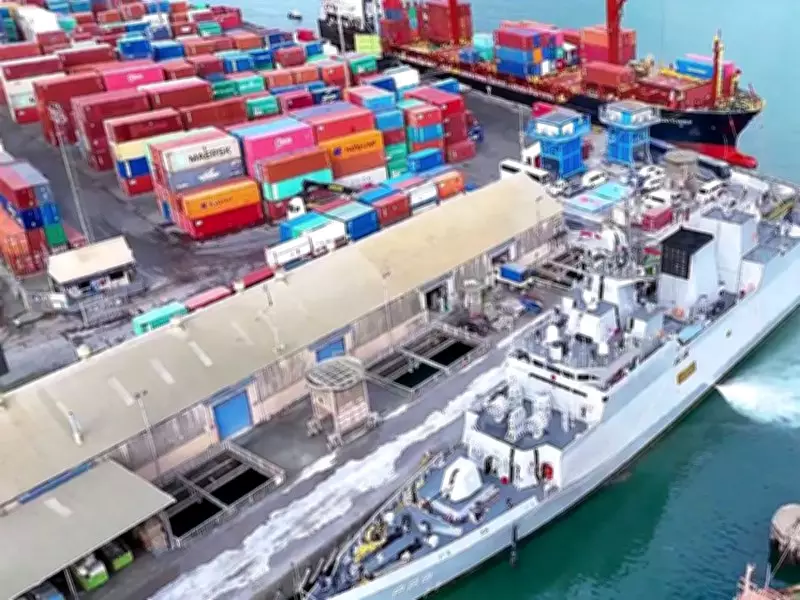
Furthermore, the report pointed out that the conflict could disrupt trade routes and supply chains, affecting India's export performance. The West Asia region is a key trading partner for India, and any instability there could lead to reduced demand for Indian goods and services. Sectors such as pharmaceuticals, textiles, and engineering goods, which have significant exposure to the region, could face headwinds.

CRISIL also emphasized that the conflict could dampen investor sentiment, leading to capital outflows and a depreciation of the Indian rupee. This, in turn, could increase the cost of imports and further exacerbate inflationary pressures. The agency stated that while India's macroeconomic fundamentals remain relatively strong, the external environment has become more challenging.
In response to these risks, CRISIL suggested that the government and the Reserve Bank of India (RBI) may need to take proactive measures to mitigate the impact. This could include strategic interventions in the forex market, fiscal consolidation, and measures to boost domestic demand. The agency also called for a focus on diversifying trade partnerships and enhancing the resilience of supply chains.
Overall, CRISIL's report underscores the need for vigilance and policy agility in the face of geopolitical uncertainties. The full extent of the impact will depend on the duration and intensity of the conflict, as well as the effectiveness of policy responses. As the situation evolves, monitoring these downside risks will be crucial for India's economic stability.