

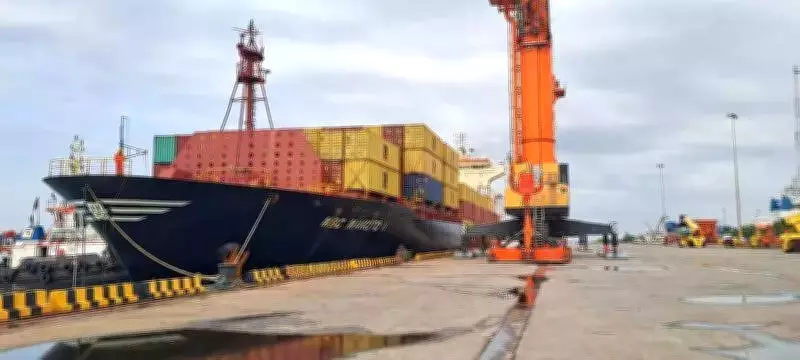
West Asia Tensions Trigger Cargo Decline at New Mangalore Port
In response to the ongoing crisis in West Asia, cargo movements involving crude oil and liquefied petroleum gas (LPG) have experienced a significant downturn at the New Mangalore Port. According to sources from the New Mangalore Port Authority (NMPA), traffic for these commodities has decreased by approximately 30-40% compared to typical levels. However, officials emphasize that the overall effect on port operations remains constrained, with other cargo segments largely unaffected.
Impact on Crude Oil and LPG Shipments
Sources confirmed a noticeable reduction in crude oil and LPG cargo, attributing it to the geopolitical instability in West Asia. "There was definitely an impact. The numbers were reduced compared to regular days. The main impact was seen in crude oil and LPG," stated an NMPA source. The movement of crude oil is influenced by multiple factors, including refinery processing capacity and regional demand. Currently, crude oil arriving at the port is primarily transported to the Mangalore Refinery and Petrochemicals Limited (MRPL) for refining before distribution across the state.
The process involves various stakeholders and is subject to logistical and market dynamics. An official noted that the port has begun receiving cargo from alternative sources, which may help mitigate the temporary decline in crude oil movements. Additionally, industry competition plays a crucial role, with major energy companies like Reliance, Nayara Energy, HPCL, and BPCL operating their own refineries in different states and importing crude oil directly for their facilities.

Government Policies and Crude Sourcing Shifts
Government policy is another key factor affecting crude imports. Previously, MRPL sourced a substantial portion of its crude oil from Russia. However, it has now shifted to other countries such as the United States, Venezuela, and Nigeria. Each type of crude oil possesses distinct characteristics, and not all refineries are equipped to process every variety. Traditionally, MRPL has relied on crude imports from Middle Eastern nations like Qatar, Saudi Arabia, Kuwait, and Iraq.
LPG Cargo and Broader Port Operations
LPG cargo movement is indirectly linked to crude oil processing, as LPG is a by-product generated during refining. Consequently, changes in crude processing directly affect LPG shipments. Refineries maintain adequate storage and backup reserves to manage such fluctuations effectively.
Apart from crude oil and LPG, most other cargo segments at the port have remained stable. Shipments of coal and iron ore continue as usual. However, exports to Middle Eastern countries have experienced some disruptions, according to sources.
In summary, while the West Asia crisis has led to a notable decline in crude oil and LPG cargo at New Mangalore Port, the broader impact is limited due to diversified sourcing and resilient operational strategies.






