West Asia Conflict Delivers Severe Blow to India's Rice Export Industry
The ongoing military confrontation in West Asia, involving Israel, Iran, and the United States, has triggered a devastating crisis for India's rice export sector. Millers in key production regions of Karnataka are now grappling with massive unsold inventories, plummeting prices, and mounting operational costs that threaten their very survival.
Export Freeze Paralyzes Shipments and Production
Rice shipments that typically move within three to four months of the December-January harvest season have come to a complete standstill. Consignments remain stranded at ports while numerous truckloads have returned undelivered, creating unprecedented logistical chaos. The Raichur rice milling sector has been particularly devastated, with production plummeting by nearly 50% due to the export freeze.
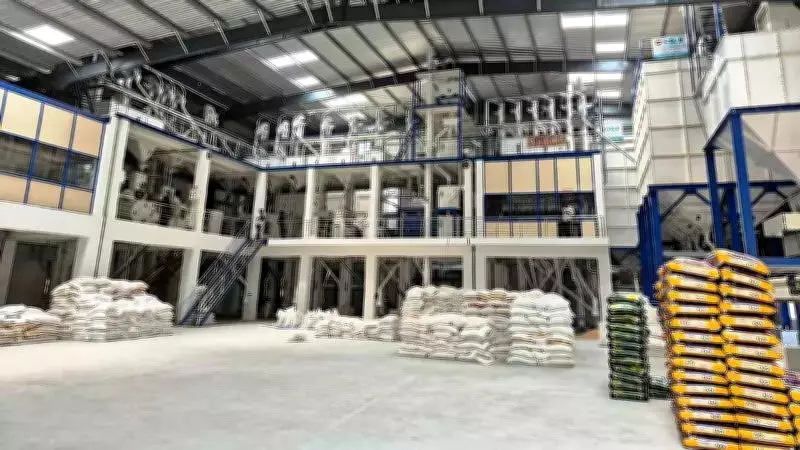
Mill owners who had already procured paddy from farmers and cleared payments now face immense pressure managing operational expenses including wages, electricity bills, and warehouse costs. Karnataka hosts approximately 4,000 rice mills, many of which are now under severe financial stress.

Double Crisis: Unsold Stock Meets New Harvest
Industry representatives describe a perfect storm of challenges. While substantial quantities of rice remain unsold in warehouses, a fresh crop is expected to arrive in about a month, forcing mill and godown owners to clear existing inventory under extreme duress. This situation creates a dangerous inventory glut that could further depress market prices.
The impact is most visible in the Tungabhadra command area districts of Koppal, Vijayanagara, Ballari, and Raichur, renowned for producing the premium export-quality Sona Masuri variety. In Koppal district's Gangavathi, considered a major paddy hub, traders report that a significant portion of the January harvest remains unsold despite already reduced cultivation this season due to ongoing crest gate works at the Tungabhadra reservoir.
Price Collapse and Market Disruption
Market prices have suffered substantial erosion. "Old Sona Masuri rice is currently selling at Rs 5,400 to Rs 5,600 per quintal, while new rice is cheaper by approximately Rs 200," revealed Koppal-based trader Sanjay Patil. This price differential reflects both the export disruption and the impending arrival of new stock.
Savitri Purushottam, state president of the Rice Mill Owners' Association, emphasized the growing operational challenges: "Sustaining mill operations and paying workers has become increasingly difficult with each passing day of this export freeze."
Complete Export Halt and Economic Consequences
The industry, which typically handles monthly transactions worth around Rs 200 crore, has suffered a catastrophic setback. Approximately 95 rice mills in Raichur city alone were exporting to Arab nations including the UAE, various African countries, Bangladesh, and Sri Lanka. All this international trade has now completely halted.
Large quantities of Sona Masuri, Basmati, and RNR rice varieties are accumulating unsold in warehouses, forcing mills to drastically scale down processing operations and focus exclusively on the domestic market. "We previously exported about 37,500 tonnes of rice every month through 15 railway rakes. Since the conflict began, not a single rake has moved," confirmed multiple mill owners.
Warnings of Deepening Crisis
Former Gangavathi MLA and rice mill owner Paranna Munavalli expressed grave concern: "Exports can resume only if the West Asia conflict ends soon. Otherwise, losses will continue mounting exponentially."
Industry insiders warn that if the situation persists, procurement of paddy could decline significantly in coming months, potentially affecting thousands of farmers and delivering a severe blow to the regional economy. The ripple effects could extend far beyond the milling sector, impacting agricultural livelihoods and broader economic stability in Karnataka's rice-producing regions.