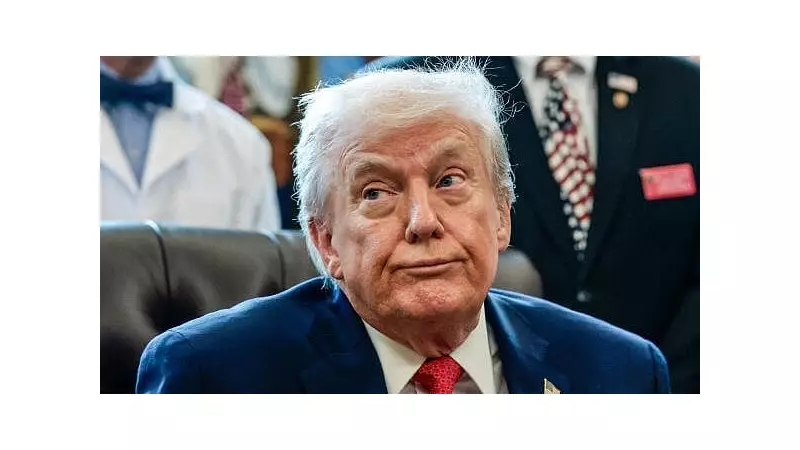
In a world where economic policies can shift with political winds, a recent analysis highlights a resilient truth: the flow of global commerce is remarkably difficult to stop. A Bloomberg Opinion piece, published on 06 January 2026, argues that despite the United States imposing significant tariffs, world trade has found ways to adapt and continue.
The Limits of Tariff Power
The central argument is clear. While the White House, under figures like Donald Trump, possesses the authority to tax international trade through tariffs, this power has its limits. It cannot simply shut down the complex, interconnected system of global exchange. The attempt to use tariffs as a blunt instrument to reshape trade dynamics has run into the formidable forces of technological advancement, flexible markets, and relentless human ingenuity.
These three factors have acted as a counterbalance, ensuring that goods, services, and capital find new pathways even when traditional routes are obstructed. The analysis suggests that tariffs, rather than ending trade, often just reroute it, creating new hubs and supply chains that bypass the intended barriers.

How Trade Adapts and Evolves
Technology plays a starring role in this narrative. Digital platforms, advanced logistics, and fintech solutions make it easier for businesses to connect with alternative suppliers and customers across different regions. Markets, driven by the fundamental need for efficiency and profit, quickly identify and exploit new opportunities that arise from trade distortions.
Perhaps the most significant force is human ingenuity. Entrepreneurs and corporations constantly innovate to navigate around obstacles, whether by shifting production bases, redesigning products to meet different origin rules, or finding novel financial instruments to mitigate the cost of tariffs. This adaptability has historically proven to be a more powerful long-term force than protectionist policies.
Implications for the Future of Global Commerce
The failure of tariffs to decisively dent global trade carries profound implications. It suggests that unilateral trade actions may have less impact than intended, often leading to increased complexity and cost rather than a fundamental reduction in trade volumes. For nations and businesses, including those in India, the lesson is to build resilient, diversified supply chains that can withstand political shocks.
The persistence of trade underscores the deep interdependence of the modern global economy. Policies that attempt to isolate or punish specific countries frequently end up reshaping trade geography rather than reducing its overall scale. The analysis from Bloomberg Opinion concludes that while tariffs can create friction and economic pain, they are ultimately unable to halt the powerful, underlying currents of global commerce driven by innovation and market demand.