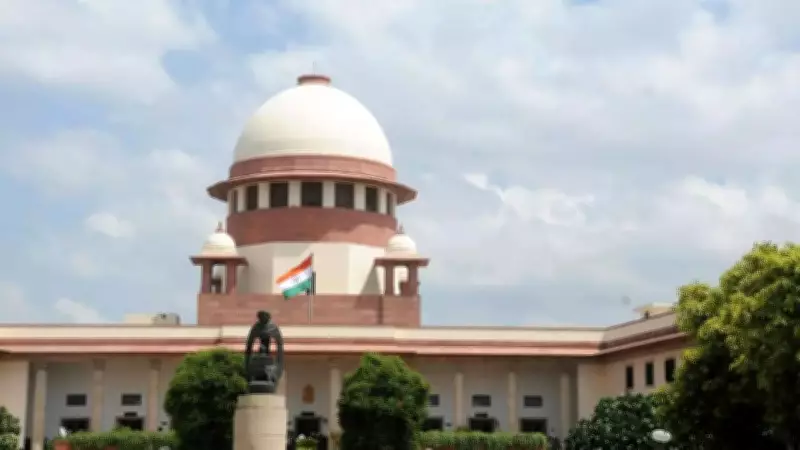
The Supreme Court on Wednesday agreed to examine the validity of the Central Board of Secondary Education's three-language formula for Class IX students. Under this policy, students are now required to choose two native languages as part of their curriculum. The apex court issued notices to the Centre, the CBSE, and the National Council of Educational Research and Training, seeking comprehensive responses on the matter.
Court's Stance on the Policy
While agreeing to hear the case, the court dismissed pleas seeking a stay on the implementation of the three-language formula. This means that the policy will remain in effect for now, pending a final decision. The bench emphasized the need for a thorough examination of the policy's implications on students' academic choices and linguistic diversity.
Background of the Three-Language Formula
The three-language formula has been a part of India's National Education Policy for decades, but its implementation has varied across states. The CBSE's recent move to mandate two native languages for Class IX students has sparked debates among educators, parents, and policymakers. Critics argue that it may overburden students and limit their options, while supporters believe it promotes multilingualism and cultural heritage.

The Supreme Court's decision to scrutinize the policy comes amid growing concerns about the flexibility of language choices in schools. The court has asked all stakeholders to submit their responses within four weeks, after which the next hearing will be scheduled.
Reactions and Next Steps
Various parent-teacher associations and educational bodies have welcomed the court's intervention, hoping for a balanced resolution. The CBSE, in its defense, has stated that the formula aims to foster linguistic skills and national integration. The NCERT is expected to provide data on the feasibility and impact of the policy.
This case highlights the ongoing tension between central educational mandates and regional autonomy. The final verdict could set a precedent for language policies in schools across India.