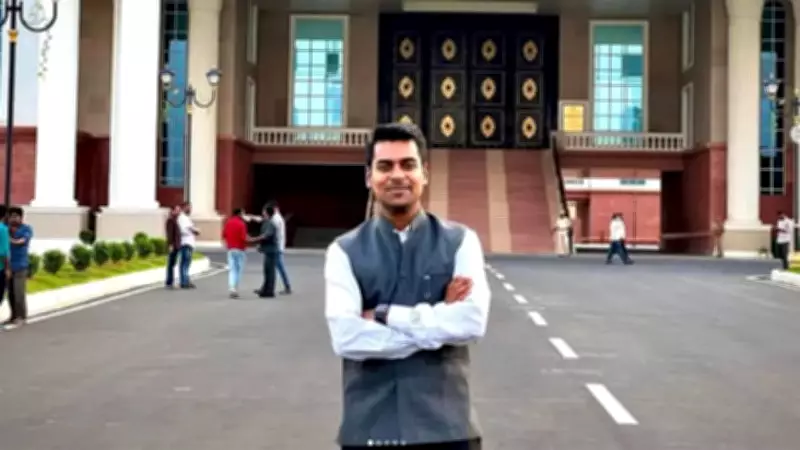
Thousands of candidates have qualified the UPSC Civil Services Preliminary Examination 2026, the results of which were declared on Tuesday. These aspirants will now begin preparing for the Mains stage. Former UPSC topper Anudeep Durishetty, who secured All India Rank (AIR) 1 in the 2017 Civil Services Examination, has shared a detailed strategy to help candidates navigate the next phase of preparation.
Importance of Syllabus and Previous Year Questions
According to Durishetty, General Studies papers may seem overwhelming because they carry 1,000 marks across four papers. However, a structured approach can make preparation manageable. He advises candidates to start their Mains preparation with a thorough understanding of the UPSC syllabus. Aspirants should keep a printed copy of the syllabus and ensure they have enough content to write a 250-word answer on every topic mentioned. He also recommends studying previous years' question papers to understand the depth, scope, and pattern of questions asked by the commission.
Answer Writing Should Be a Daily Habit
Durishetty emphasizes that reading and revision alone are insufficient for success in the Mains examination. He stresses the importance of regular answer-writing practice, as examiners judge candidates solely through their written responses. He advises aspirants to take mock tests seriously, follow strict time limits, and develop the stamina needed to write for long hours during the multi-day examination process.

Current Affairs Are Crucial
The former UPSC topper says current affairs form the core of preparation, particularly for General Studies Papers 2 and 3. He recommends integrating current developments with static subjects while making notes. Durishetty also suggests using government reports, committee recommendations, Supreme Court judgments, and important statistics to make answers more comprehensive and balanced.
Avoid Perfectionism
One of Durishetty's key messages is that perfectionism can become a major obstacle during preparation. He cautions aspirants against spending excessive time searching for the perfect notes or study material. Instead, he encourages candidates to focus on steady improvement through regular revision, consistent practice, and timely completion of mock tests. Gradual progress, he says, is more valuable than chasing perfection.
Durishetty also recommends using maps, diagrams, and flowcharts wherever relevant, as these can make answers more effective and easier for examiners to evaluate. He believes that disciplined preparation, regular revision, and continuous answer-writing practice are among the most important factors for performing well in UPSC Mains.