The Rising Demand for Career Guidance in India
Students across India increasingly need career guidance. This demand grows as education systems evolve. Many young people feel lost when choosing career paths. They lack clear direction and support.
Challenges Faced by Students
Students encounter several obstacles. They often struggle to understand available career options. Traditional education focuses heavily on academic scores. It neglects practical skills and personal interests. This gap leaves many unsure about their future.
Parents and teachers sometimes push students toward conventional careers. Fields like engineering and medicine receive undue emphasis. Students may feel pressured to follow these paths. They ignore their own passions and talents.

The Role of Career Guidance
Career guidance plays a crucial role here. It helps students explore various professions. Guidance counselors assess individual strengths and weaknesses. They provide personalized advice based on aptitudes.
Effective guidance includes skill assessments and interest tests. These tools identify suitable career matches. Students learn about emerging job sectors. They gain insights into market trends and opportunities.
Schools and colleges must integrate career counseling programs. Early intervention can make a significant difference. Starting guidance in secondary school allows for better planning.Benefits for Students and Society
Proper career guidance offers multiple benefits. Students make informed decisions about their education. They choose courses aligned with their career goals. This reduces dropout rates and increases satisfaction.
Society gains from a more skilled workforce. People enter jobs that match their abilities. Productivity improves across various industries. Economic growth receives a boost from well-placed talent.
Current Initiatives and Future Steps
Some institutions in India have started career guidance programs. Private organizations offer counseling services. Government schemes aim to support vocational training. Yet, coverage remains limited and uneven.
More efforts are needed to expand access. Rural areas particularly lack resources. Training for counselors requires enhancement. Technology can help bridge gaps through online platforms.
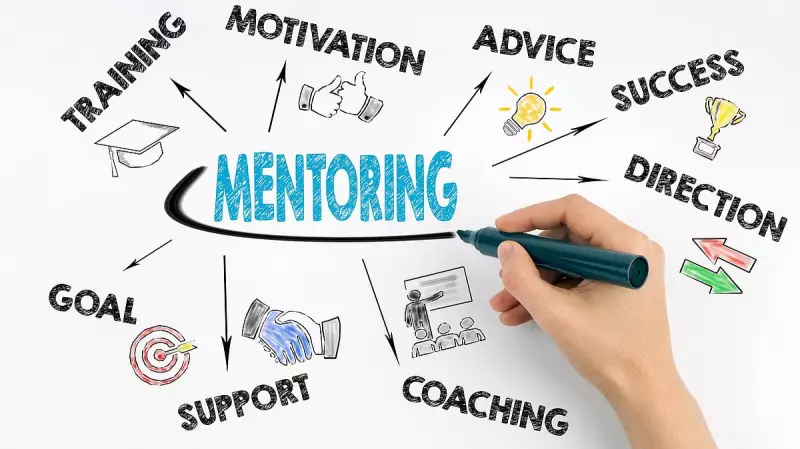
Experts call for a holistic approach to career guidance. It should combine academic, emotional, and practical support. Collaboration between educators, parents, and professionals is essential.In conclusion, career guidance is not a luxury but a necessity. It empowers students to navigate their futures confidently. India must prioritize this aspect of education to harness its youth potential fully.