The Graduating Class of 2026: A New Era of Pragmatic Ambition
For years, the archetype of a fresh graduate was almost a cultural cliché: wide-eyed, restless, and urgently chasing the elusive "dream job." While that version hasn't vanished entirely, it has significantly softened. In its place emerges a more measured individual—still hopeful, but acutely aware of the profound uncertainties and rapid transformations defining today's world of work.
Stability Emerges as the New Priority
A recent Monster survey of over 1,000 graduates in the United States provides concrete data on this generational shift. The Class of 2026 is not abandoning ambition; they are fundamentally redefining its parameters. In an increasingly unpredictable job market, stability now carries substantial weight.
While salary remains important, with about 68% of graduates citing it as a top priority, more than half now place job security even higher than career growth. Perhaps most telling is that nearly two-thirds state they would accept lower pay in exchange for greater long-term stability. This is not merely a statistical change but reflects a deeper, more pragmatic mindset.

Many young professionals who once envisioned careers in fast-paced fields like consulting are recalibrating their expectations. "I still want to grow," one graduate explains, "but I don't want to constantly worry about whether my job will still be there next year." This sentiment is far from unusual. With layoffs frequently dominating headlines and entire industries evolving overnight, the appeal of a steady, dependable role has grown exponentially.
Flexibility and the End of the "Perfect" First Job
Parallel to this quest for stability is a growing willingness to be flexible. Approximately 69% of graduates report being more open to compromising on their vision of an "ideal" job. Even more striking, 75% would accept a role they expect to leave within a year, primarily to start earning and gaining experience immediately.
This represents a latent but crucial shift: the intense pressure to land the perfect job straight out of college is easing. Graduates are increasingly adopting the practical view that their first job doesn't need to be perfect—it just needs to get them started. Short-term positions are no longer perceived as career missteps but as valuable stepping stones to build skills, expand professional networks, and maintain financial independence while navigating the broader career landscape.
Navigating the AI Revolution with Adaptation
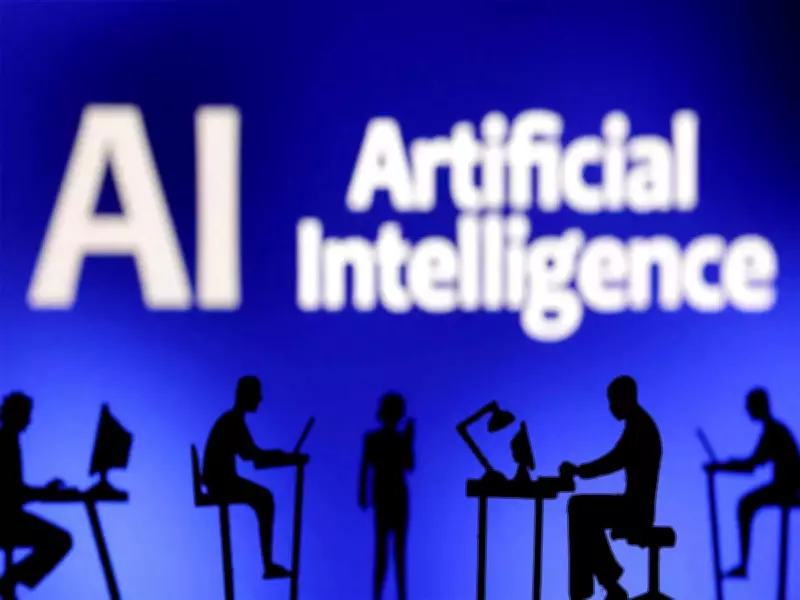
The specter of artificial intelligence looms large for this generation. A significant 89% of graduates express concern that AI could replace entry-level jobs, a sharp increase from previous years. These roles, traditionally seen as safe entry points into careers, now feel particularly vulnerable.
Compounded by a shaky economic environment, it's unsurprising that 76% are worried about how the job market will impact their prospects. However, the response is not purely one of fear. A notable shift in perspective is occurring. Instead of resisting technological advancement, many students are choosing to adapt, viewing digital and AI-related skills not as optional advantages but as essential competencies for future employability.
Realistic Timelines and Grounded Optimism
Despite these concerns, optimism persists. Nearly 79% of graduates believe they will secure employment within three months of finishing college. Concurrently, there is a growing appreciation for patience in the job search. A considerable number anticipate the process taking more than four months, with some mentally preparing for a timeline of six months or longer.
This reflects a subtle but important cultural shift. The old belief that a degree automatically guarantees immediate employment is fading. In its place is a quieter, more realistic understanding that finding the right opportunity requires time and perseverance.
Redefining Ambition for a New World
It would be a mistake to interpret these trends as a decline in ambition. On the contrary, ambition is becoming more grounded and sustainable. The Class of 2026 is not chasing dreams blindly; they are thinking critically about longevity and making choices that will endure.

They are asking fundamentally different questions: Not just "What job do I want?" but "What kind of life will this job support?" Not merely "How quickly can I grow?" but "How stable is this career path?"
The Bigger Picture: Awareness as Strength
What truly distinguishes this generation is not fear, but heightened awareness. They recognize that the ground is shifting beneath their feet due to technological disruption and economic volatility. Yet, instead of freezing, they are proactively adjusting—taking smaller, practical steps and strategically playing the long game.
In today's uncertain world, ambition may no longer resemble a frantic sprint toward a dream job. For the Class of 2026, it looks more like a steady, thoughtful climb. This very pragmatism, born of clear-eyed assessment, may well prove to be their greatest professional strength.