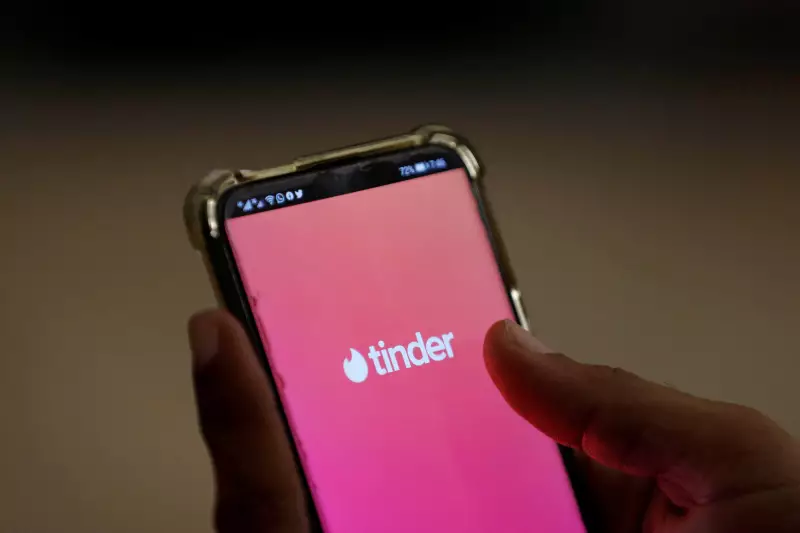
For millions in India's metro cities, the daily commute includes a familiar ritual: scrolling through LinkedIn, watching former colleagues celebrate new certifications, and navigating a feed that feels less about genuine connection and more about curated professional performance. This platform, long the undisputed stage for career ambition, is now facing an unexpected rival. The new frontier for professional networking isn't another corporate site—it's Tinder.
The Quiet Migration from LinkedIn to Love Apps
The scene on traditional professional networks has become one of digital billboards. Endless self-promotion, templated connection requests, and cold outreach have turned the job search into a transactional and exhausting process, especially for younger professionals. In search of a more human touch, they are venturing into uncharted territory: dating applications.
What began as a space for romantic connections is now a strategic ground for career advancement. A swipe can lead to a referral, a mentorship conversation, or even a direct job offer. This is not a fleeting Gen Z joke but a deliberate adaptation to a labour market that feels oversaturated, impersonal, and fiercely competitive.

A recent survey by ResumeBuilder.com provides concrete data on this shift. The study, which polled 2,225 dating app users in the United States, found that 34% had used platforms like Tinder, Bumble, and Facebook Dating for job- or career-related purposes in the past year. For nearly 10% of users, career advancement was the primary reason for logging in.
Strategic Swipes and Tangible Results
This behaviour is far from accidental. Users are swiping with intention. The survey reveals that 75% of those pursuing professional goals intentionally matched with people in specific job roles, while 66% targeted individuals at desirable companies. Their aims range from expanding their network to securing referrals, interviews, mentorship, or direct employment.
The strategy is yielding real results. Among users who turned to dating apps for professional networking, a staggering 88% reported successfully forming career-related connections. The outcomes were substantial: nearly 40% landed interviews, and a similar proportion received job leads, referrals, or actual job offers.
Interestingly, this trend cuts across age groups. Participation was similar among users aged 18–28 (35%), 29–44 (34%), and 45–55 (33%), indicating it's not confined to younger job seekers but a broader response to market conditions.
Beyond Desperation: A Creative Workaround
While a difficult job market motivated 42% of users, the narrative isn't solely one of desperation. Over half of the respondents believed that personal connections were the most effective path to getting hired, framing their approach as creative and pragmatic. Most users claimed to be upfront about their professional intentions, acknowledging the inherent awkwardness but embracing the potential payoff.
This migration highlights a critical flaw in formal hiring systems. Dating apps, by design, foster vulnerability, personality, and organic conversation—elements often stripped from standard recruitment processes. In these spaces, individuals are seen as more than a list of skills; trust builds differently, and advice is exchanged more freely.
The trend signals a deeper message about the state of work today. When formal channels feel closed, impersonal, or overly performative, professionals will seek out human entry points. Dating apps offer what many job platforms lack: curiosity without immediate judgement of credentials, and connection before transaction. This isn't just a new trend; it's a telling indicator of a workforce adapting to a hyper-competitive world by any means necessary.