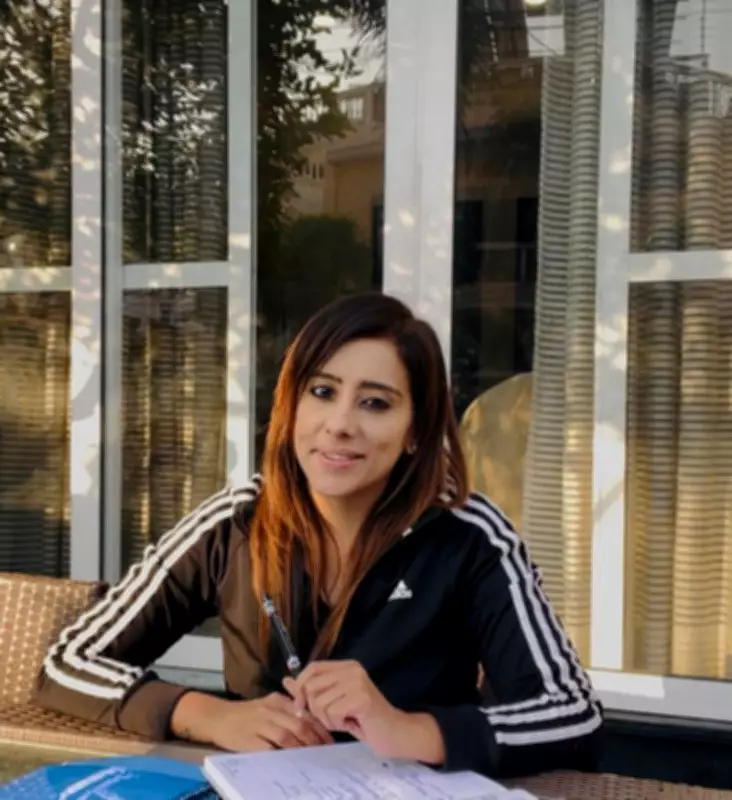
As an entrepreneur, education counsellor, and former corporate professional, Pooja Arora has experienced first-hand that success in life depends on much more than academic achievements.
While marks and degrees are important, the skills that truly help us grow and thrive are often learned outside the classroom. Arora's journey from the corporate world to building an e-commerce brand and becoming an educator has taught her the value of communication, leadership, emotional resilience, problem-solving, and adaptability.
As an education counsellor, she regularly meets students who are academically capable but struggle with career clarity, confidence, managing stress, handling failure, and making informed decisions about their future.

The Need for Practical Learning
There is a need for practical and interactive learning to help teenagers and young adults learn life beyond academics. An entrepreneurial mindset grows when children are regularly given opportunities to solve problems, take action, and learn from mistakes, while being encouraged to try again in case of failure. These habits can benefit them immensely, whether they eventually become entrepreneurs, researchers, artistes, or leaders in any field.
Bootcamps and Skill Development
These days, learning bootcamps are being designed by schools and education professionals that cover career clarity and profile building, helping students understand their strengths, interests, personality, and suitable career paths. Such programmes also focus on emotional intelligence, teaching participants how to manage emotions, stress, and setbacks effectively.
Through modules on leadership, communication and confidence, the smart use of artificial intelligence, goal setting and productivity, screen-time management, and entrepreneurship and problem-solving, participants develop skills that are essential for success in today's world. Creative mindfulness activities are integrated throughout the journey.
Building a Genuine Profile
Building a profile for students should not be a superficial exercise; rather, it should help children develop a strong portfolio of skills, achievements, and experiences for future opportunities, be it school admissions, scholarships, internships, entrepreneurship, or corporate careers. The focus should be on genuine growth rather than collecting certificates.
Arora believes that this is the need of the hour. While we continue to focus heavily on marks, admissions, and university placements, many skills that truly shape success in life remain largely untouched. It is often only when young people step into the workplace and face real-world challenges that they realise the importance of communication, emotional resilience, leadership, adaptability, and problem-solving. These are not optional skills anymore; they are essential life skills for navigating an ever-changing world.