Supreme Court Restricts Rajasthan SI Exam 2026 Relief to a Single Candidate, Thousands Lose Out
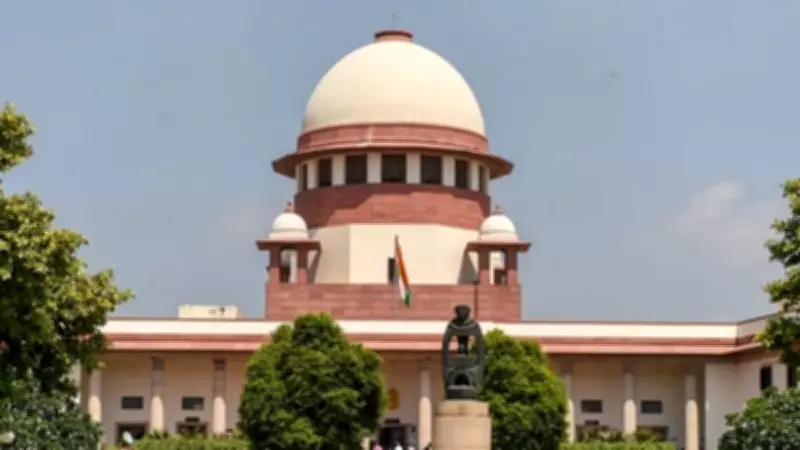
In a significant ruling that has sent shockwaves through the recruitment landscape, the Supreme Court of India has decisively limited the scope of relief for the Rajasthan Sub-Inspector (SI) Exam 2026 to just one candidate. This landmark judgment effectively denies benefits to thousands of other aspirants who were hoping for similar concessions, marking a pivotal moment in the legal handling of public service examination disputes.
Details of the Supreme Court Verdict
The case centered on challenges related to the Rajasthan SI Exam 2026, where numerous candidates had petitioned for relief due to alleged irregularities or hardships encountered during the examination process. However, the Supreme Court, in its ruling, clarified that any relief granted would be strictly confined to the specific circumstances of the petitioner who brought the case forward. This means that only that individual candidate will receive the intended benefits, such as potential reconsideration of scores or procedural adjustments, while all other examinees are excluded from this provision.
The court emphasized that its decision was based on a narrow interpretation of the legal merits presented, rather than a broad policy change. It stated that extending relief to thousands of candidates without similar, case-specific evidence would set an unsustainable precedent and could disrupt the entire recruitment framework. This approach underscores the judiciary's cautious stance in balancing individual grievances with the need for administrative stability in large-scale public service exams.

Impact on Recruitment and Aspirants
The ruling has profound implications for the Rajasthan Police recruitment process and the aspirations of countless job seekers. With thousands of candidates now losing out on potential benefits, there is likely to be increased scrutiny of examination procedures and heightened calls for transparency. Many aspirants who had invested significant time and resources in preparing for the SI exam may feel disillusioned, as their hopes for redressal have been dashed by this legal limitation.
Experts suggest that this decision could lead to more stringent vetting of exam-related petitions in the future, potentially discouraging frivolous claims while ensuring that only genuinely meritorious cases receive judicial attention. It also highlights the challenges faced by recruitment authorities in managing legal interventions that can affect large cohorts of candidates, often leading to delays and uncertainties in the hiring timeline.
Broader Context and Legal Precedents
This case is not isolated; it reflects ongoing tensions in India's competitive examination ecosystem, where legal battles over exam conduct and results are increasingly common. The Supreme Court's ruling reinforces a trend of courts taking a measured approach to avoid widespread disruptions in recruitment processes, which are critical for filling essential public service roles.
Key aspects of the judgment include:
- Focus on Individual Merits: Relief is granted based on the unique facts of each case, not as a blanket benefit for all candidates.
- Administrative Considerations: The court weighed the potential chaos of extending relief to thousands against the need for orderly recruitment.
- Future Implications: This ruling may influence how similar cases are handled in other states and for different exams, setting a benchmark for judicial restraint in exam-related matters.
As the dust settles, stakeholders, including recruitment boards and aspirants, are urged to adhere to established protocols and seek legal recourse only in cases with substantial evidence. The Supreme Court's decision serves as a reminder of the delicate balance between justice for individuals and the broader public interest in efficient governance.