Unlocking Success: The 5W1H Framework for UPSC Aspirants
For countless aspirants aiming to crack the Union Public Service Commission (UPSC) Civil Services Examination, the journey is often marked by vast syllabi, complex topics, and intense competition. In this challenging landscape, a structured approach can make all the difference. Enter the 5W1H method—a simple yet powerful tool that is revolutionizing how candidates prepare for one of India's toughest exams.
What Is the 5W1H Method?
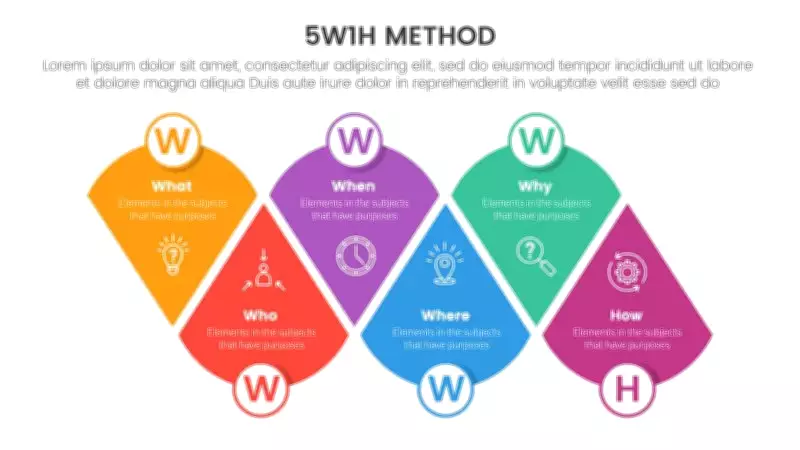
The 5W1H framework stands for What, Why, Who, Where, When, and How. Originally used in journalism and problem-solving, this method involves asking six fundamental questions to gain a comprehensive understanding of any subject. When applied to UPSC preparation, it transforms passive reading into active learning, helping aspirants dissect topics systematically.
Why This Method Works for UPSC
The UPSC exam, known for its emphasis on analytical thinking and current affairs, requires more than rote memorization. The 5W1H approach encourages critical analysis by breaking down information into manageable parts. For instance, when studying a historical event, asking "What happened?" and "Why did it occur?" fosters deeper insights, while "How did it impact society?" aligns with the exam's focus on cause-and-effect relationships.

How to Implement 5W1H in Your Study Routine
Integrating this method into daily preparation can enhance retention and clarity. Here’s a step-by-step guide:
- Identify the Topic: Start with a specific subject, such as a government scheme or a geographical phenomenon.
- Ask the Six Questions:
- What: Define the core concept or event.
- Why: Explore the reasons or objectives behind it.
- Who: Identify the key stakeholders, individuals, or organizations involved.
- Where: Note the geographical or contextual location.
- When: Pinpoint the timeline, including dates or historical periods.
- How: Analyze the process, implementation, or methodology.
- Connect to Broader Themes: Relate the answers to larger UPSC syllabus areas like governance, economy, or environment.
- Review and Revise: Use the framework to create concise notes for quick revisions.
Real-World Applications and Benefits
This method is particularly effective for current affairs and static portions of the syllabus. For example, when studying a new policy, applying 5W1H helps understand its purpose, beneficiaries, execution challenges, and socio-economic implications. Benefits include:
- Improved comprehension and memory retention through structured questioning.
- Enhanced answer-writing skills, as it mirrors the analytical approach expected in UPSC mains and interviews.
- Time efficiency by focusing on key aspects rather than overwhelming details.
- Better preparation for interdisciplinary questions that require holistic thinking.
Expert Insights and Success Stories
Many successful UPSC candidates and coaching institutes advocate for the 5W1H technique. It aligns with the exam's evolving pattern, which prioritizes conceptual clarity over factual recall. By fostering a habit of inquiry, aspirants can tackle unpredictable questions with confidence, turning complex topics into clear, exam-ready knowledge.
In summary, the 5W1H method is not just a study hack but a strategic revolution for UPSC preparation. Embracing this framework can transform your approach, making the daunting path to civil services more manageable and effective. Start integrating these questions today to crack the code of success.