For aspirants of the Union Public Service Commission (UPSC) and other competitive examinations, staying abreast of current affairs is non-negotiable. The weekly quiz curated for the period from December 28, 2025, to January 03, 2026, offers a crucial tool to consolidate preparation. This edition covers a diverse range of topics from international economics to national heritage and environmental policies.
International Affairs and Economics: Eurozone and CBAM
The quiz began with a focus on global economic structures. A question on the eurozone tested knowledge about the European Union's monetary union. Candidates needed to identify that the eurozone refers to the group of EU members that have adopted the euro as their sole legal tender, a move that eliminates internal currency exchange costs. However, not all EU members are part of it; as of early 2026, 21 out of 27 nations, including the newly joined Bulgaria, are members. Denmark has a formal opt-out clause.
Another significant international development covered was the Carbon Border Adjustment Mechanism (CBAM) implemented by the European Union. From January 1, 2026, the EU entered the definitive regime of this policy, which imposes a carbon-related charge on imports of certain carbon-intensive goods like cement, steel, aluminium, and fertilisers. This measure aims to prevent carbon leakage and has raised concerns in developing economies, including India, due to its potential impact on exports.

National News: Railways, Temple Probe, and Heritage
On the domestic front, the quiz highlighted India's infrastructural milestones. In 2025, the Indian Railways achieved a historic feat by connecting the Kashmir Valley and Mizoram's capital, Aizawl, to the national railway grid. This completed the integration of the country's final frontiers in the north and east, though cities like Kohima and Gangtok remain unconnected.
A probe into the famed Sabarimala Temple in Kerala also made headlines. A Special Investigation Team (SIT) reported that gold was missing from more artefacts than initially suspected, expanding the scope of the investigation into the temple's valuables.
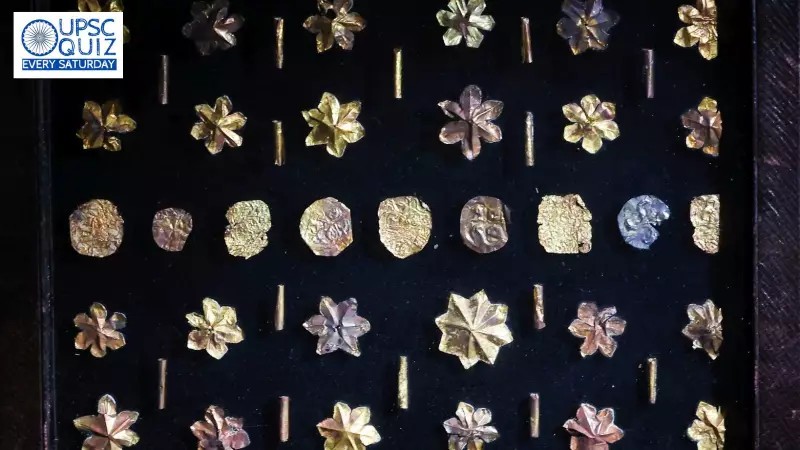
A key heritage question revolved around the Piprahwa Gems. These sacred Buddhist relics, comprising hundreds of gemstones and gold sheets, were unearthed in 1898 at the Kapilvastu Buddha Stupa in Uttar Pradesh's Siddharthnagar district. Recently repatriated, they were inaugurated for public exhibition by Prime Minister Narendra Modi in New Delhi.
Science, Environment, and Health
The quiz delved into scientific and environmental issues with a question on the Cetacean morbillivirus. This infectious virus affects marine mammals like whales and dolphins, damaging their respiratory and neurological systems and causing mass strandings. For the first time, researchers using innovative drone technology to collect breath samples detected this virus in Arctic waters, indicating its expanding reach.
In health news, the government banned the manufacture and sale of oral nimesulide in immediate-release dosages above 100 mg. This common pain and fever medication was deemed a potential health risk, with safer alternatives available. Another question focused on staphylococci bacteria, spherical pathogens found on skin and mucous membranes that can cause infections ranging from minor skin issues to severe pneumonia, especially in polluted environments like Delhi.
Agriculture and Finance
Agricultural techniques were tested through a question on the Alternate Wetting and Drying (AWD) method, a water-saving practice used specifically in rice cultivation to reduce methane emissions by periodically drying flooded paddy fields.
In finance, the quiz covered Exchange Traded Funds (ETFs), which pool securities and trade on stock exchanges. Contrary to a decline, investments in gold and silver ETFs in India saw significant growth, together constituting a major share of passive fund inflows as investors sought portfolio diversification.

Regular engagement with such comprehensive quizzes is essential for aspirants to build a strong, fact-based foundation for the unpredictable current affairs section of preliminary examinations.