Yenepoya University Campus Bird Count Documents 58 Avian Species in Mangaluru
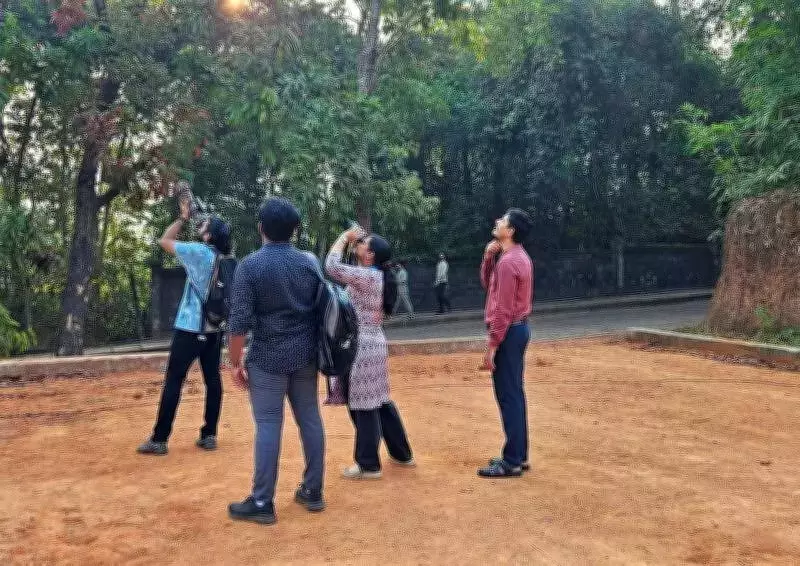
The campus of Yenepoya (Deemed to be University) in Mangaluru has become a hotspot for avian biodiversity, with a recent scientific survey documenting an impressive array of birdlife. During the Campus Bird Count (CBC) held from February 13 to 16, researchers and volunteers identified a total of 58 distinct bird species thriving within the university grounds. This comprehensive ecological exercise underscores the institution's rich natural habitat and its commitment to environmental stewardship.
Structured Field Visits and Widespread Participation
The bird count initiative was meticulously organized, featuring four structured field visits that allowed for thorough observation and documentation. Participants engaged in systematic data collection, carefully recording and photographing avian species to ensure accuracy and completeness. A remarkable 107 students and staff members actively took part in the programme, contributing their time and expertise to this important ecological endeavor. Their collective efforts have provided valuable insights into the campus's biodiversity and set a benchmark for future conservation studies.
Expert-Led Orientation and Educational Sessions
Prior to the field activities, an orientation and lecture session was conducted to equip participants with the necessary knowledge and skills. Bird watcher Gopalakrishna A delivered an informative presentation on the CBC 2026 framework, which is part of the broader Great Backyard Bird Count. His session covered essential topics such as identifying birding hotspots, preparing detailed checklists, and utilizing mobile applications for bird identification and reporting. This technological integration highlights the modern approach to citizen science and ecological monitoring.

Adding depth to the educational component, Dr Vineeth Kumar K, a noted zoologist and researcher, presented a captivating lecture titled 'Feathered Jewels'. His talk emphasized the ecological importance of birds, exploring their unique biological features and offering practical techniques for accurate bird identification. These sessions not only enhanced the participants' understanding but also fostered a greater appreciation for avian conservation and the role of academic institutions in environmental research.
Organizational Leadership and Future Implications
The Campus Bird Count was successfully organized by the Centre for Environmental Studies at Yenepoya University, with coordination led by Bhagya B Sharma, the deputy director of the centre. This initiative reflects the university's proactive stance in promoting ecological awareness and scientific inquiry among its community. The documented 58 bird species serve as a testament to the campus's vibrant ecosystem and provide a baseline for ongoing biodiversity assessments. Such efforts are crucial for informing conservation strategies and encouraging sustainable practices in urban educational settings.