Baba Ramdev Advocates for Educational Transformation Through Global Gurukul Vision
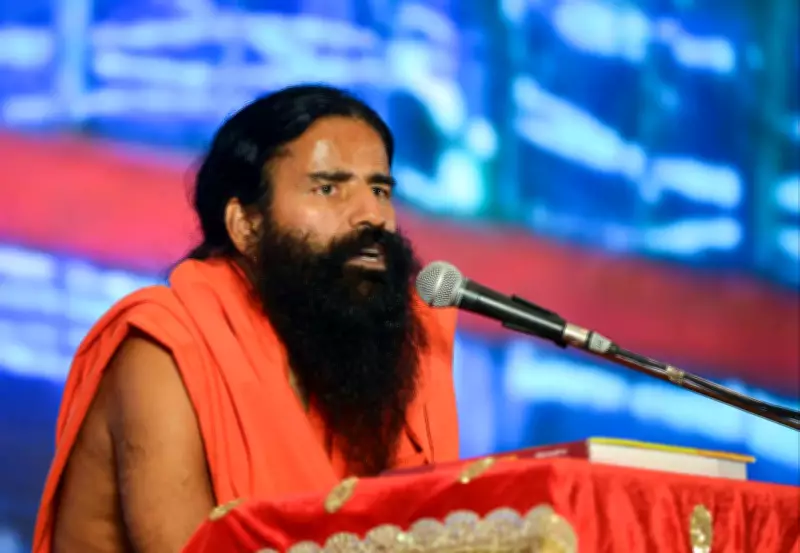
In a compelling new interview with The Times of India, conducted by author Akshat Gupta, Baba Ramdev shifts his focus from health and culture to critically examine India's education landscape. The conversation transitions from hypothetical governance questions to profound reflections on systemic challenges, the decline of traditional gurukuls, and an ambitious proposal for a "global gurukul" framework. The underlying message resonates powerfully: education fundamentally shapes individual minds and, consequently, national destiny.
The Influential Voice Behind the Vision
Baba Ramdev first captured national attention through televised yoga sessions in the early 2000s, later co-founding Patanjali Ayurved into one of India's largest indigenous FMCG empires. He embodies a unique fusion of yoga, Ayurveda, and cultural advocacy, though his outspoken views on politics and policy have also sparked controversy. This multifaceted persona ensures his perspectives on education command significant public and media attention. During the dialogue, he describes himself as a "Universal Health Minister," emphasizing a self-perceived role driven by broad societal influence rather than formal political authority.
Examining the Historical Shift in Education Systems
A central theme of the discussion is the disappearance of India's traditional gurukul system. Ramdev asserts that lakhs of gurukuls once existed across the nation, prioritizing holistic development, wisdom cultivation, and character building over mere literacy. He attributes their decline primarily to colonial-era policies, specifically referencing the 1835 reforms introduced by Thomas Babington Macaulay that promoted English education. Ramdev characterizes this historical pivot as the onset of "mental slavery," fostering dependency on Western intellectual frameworks.

His critique extends beyond language to encompass mindset. He argues that contemporary education should foster self-respect and originality rather than imitation. This perspective invites reflection on whether the ancient system was entirely ideal or if modern education has also delivered undeniable benefits, such as expanded access and scientific advancement. Recent government data indicates India's literacy rate now exceeds 77 percent, showcasing dramatic progress in educational accessibility over the past century. However, ongoing debates about quality, relevance, and cultural alignment persist vigorously.
Blueprint for a Balanced Educational Future
Ramdev repeatedly emphasizes that effective education must harmonize two crucial elements: deep awareness of cultural roots and robust engagement with the modern world. He explicitly does not reject science or innovation; instead, he stresses that knowledge, research, and invention are indispensable. Citing nations like Israel, Japan, and South Korea, he illustrates how education can propel global influence regardless of population size. His core thesis is clear: educational strength, not demographic scale, generates national power.
He further draws a sharp distinction between creating consumers and nurturing creators. According to his philosophy, education should produce innovators and entrepreneurs rather than mere employees. It should eliminate fear and inferiority complexes instead of fostering anxiety driven by excessive competition.
The Bold Concept of a Global Gurukul
Perhaps the most ambitious segment of the interview outlines Ramdev's vision for a global education board under the Patanjali umbrella. He envisions a future where students from 200 countries come to India to study within a system that integrates ancient Indian philosophy with cutting-edge modern science. This curriculum would extend beyond conventional textbooks to include practical training in agriculture, entrepreneurship, and public speaking, with discipline and character development as foundational components.

Ramdev contends that such an education model would significantly reduce prevalent youth issues like depression, addiction, and moral confusion. While education alone cannot resolve all social challenges, it can undoubtedly foster resilience and clarity of thought. This "global gurukul" concept echoes broader national conversations, particularly the holistic, multidisciplinary approach advocated in India's National Education Policy 2020, though differences may arise in interpretation and implementation.
From Rhetoric to Reality: The Vishwa Guru Aspiration
The interview revisits the aspirational goal of positioning India as a "Vishwa Guru" (world teacher). Ramdev links this ambition to an education system rooted in ethical values, cultural pride, and substantive knowledge. He argues that political slogans and social media discourse are insufficient for achieving greatness; only a robust education system can cultivate genuinely confident citizens.
Notably, he cautions that education should not breed aggression or blind pride but should instead dispel ignorance and build inner strength. This nuanced stance shifts focus from dominance to sustainable development. Realizing global leadership in education would demand tangible outcomes: enhanced research output, improved university rankings, increased innovation patents, and equitable access. Cultural confidence must advance in tandem with scientific credibility to achieve lasting impact.