DAVV Indore to Integrate AI and Indian Knowledge Systems Across All Academic Programmes
In a landmark decision, Devi Ahilya Vishwavidyalaya (DAVV) in Indore has announced that artificial intelligence (AI) and Indian knowledge systems (IKS) will become compulsory modules for all undergraduate and postgraduate programmes starting from the 2026–27 academic session. This strategic move is poised to reshape learning outcomes by seamlessly blending modern technological skills with traditional knowledge frameworks, setting a new standard in higher education.
University Leadership Drives Holistic Educational Reform
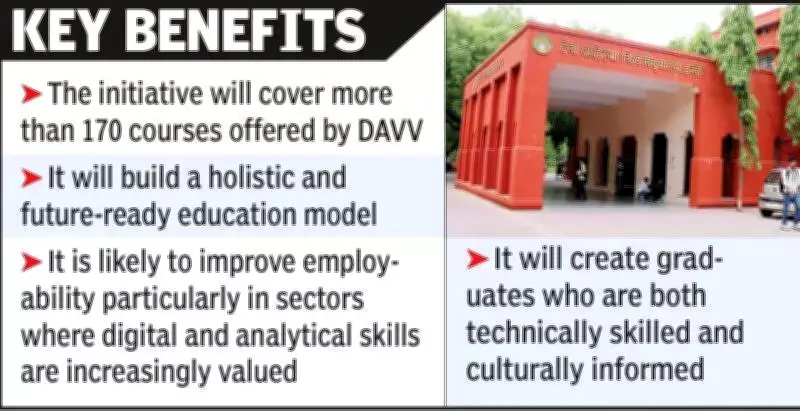
The decision was finalized during a high-level meeting chaired by Vice-Chancellor Rakesh Singhai, with key officials including Registrar Prajwal Khare, DCDC Sachin Sharma, and deans and Board of Studies chairpersons in attendance. "In line with the evolving educational landscape and national priorities, we are pleased to integrate Indian knowledge systems and artificial intelligence into all academic programmes," Singhai stated. He emphasized that this initiative aims to build a holistic and future-ready education model that connects India's rich intellectual traditions with cutting-edge technological advancements.
Comprehensive Coverage Across Diverse Disciplines
The initiative will encompass more than 170 courses currently offered at the university teaching departments (UTDs) and affiliated colleges, spanning a wide array of disciplines such as science, engineering, humanities, commerce, and management. DAVV has proudly declared that it will be the first university in the state to implement both AI and IKS together across all academic streams, ensuring uniform skill development for students regardless of their field of study.

Enhancing Employability and Cultural Awareness
For students, this change represents a significant shift towards industry-relevant and future-ready education. With AI modules integrated into existing courses, learners will gain hands-on exposure to essential tools, data analysis techniques, and computational thinking. This practical orientation is expected to substantially improve employability, particularly in sectors where digital and analytical skills are increasingly in demand.
Simultaneously, the inclusion of IKS will provide students with a structured understanding of traditional disciplines, including Indian philosophy, sciences, and sustainable practices. This dual approach is designed to create a balanced academic environment where students develop both technical competence and contextual awareness rooted in Indian heritage, fostering a generation of graduates who are both technically skilled and culturally informed.
Supporting Faculty and Streamlining Curriculum Implementation
To ensure effective delivery of the integrated content, the plan includes comprehensive training programmes, workshops, and collaborative initiatives aimed at equipping faculty members with the required expertise. University officials have clarified that the revised curriculum will not function as an additional burden but will be seamlessly merged within existing subjects. This integrated model aims to reduce fragmentation in learning and encourage interdisciplinary thinking, promoting a more cohesive educational experience.
Alignment with National Education Policy and Future Prospects
Aligned with the National Education Policy (NEP), this reform seeks to prepare graduates for global careers while empowering them with local problem-solving capabilities. Although implementation in affiliated colleges may pose practical challenges due to existing course loads, the university maintains that the long-term benefits for students will be substantial. By integrating AI and IKS, DAVV is not only enhancing academic rigor but also contributing to a broader vision of education that values innovation alongside tradition, ensuring students are well-prepared for the complexities of the modern world.