Dubai Extends Distance Learning for Indian Curriculum Schools Amid Regional Tensions
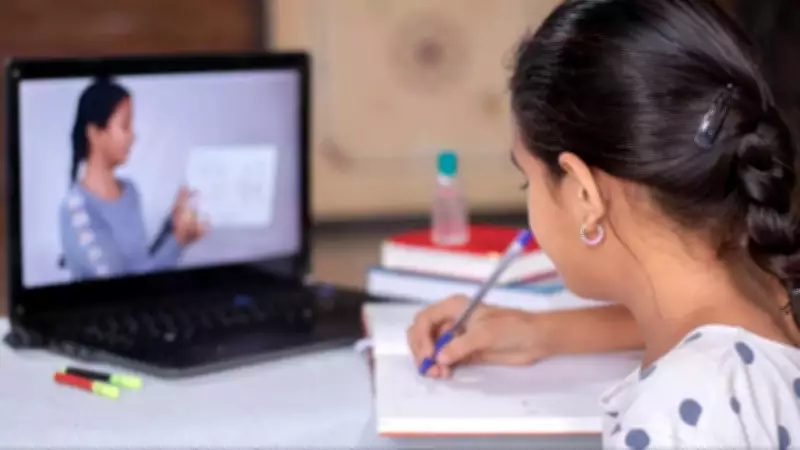
Thousands of students enrolled in Indian curriculum schools across Dubai will continue their education from home until the conclusion of the current academic term. This decision comes as the emirate's education regulator, the Knowledge and Human Development Authority (KHDA), has confirmed an extension of distance learning measures. The move is part of broader precautionary steps taken in response to the evolving regional security environment, particularly tensions involving Iran, Israel, and the United States.
Impact on Indian Curriculum Schools
The extension affects schools following Indian education boards such as the Central Board of Secondary Education (CBSE) and the Indian Certificate of Secondary Education (ICSE). These institutions, which typically operate on an academic year running from April to March, will now complete the remainder of the term through online classes. Instead of returning to physical classrooms, students will engage in remote learning before the next academic year commences in early April.
Dubai is home to one of the largest Indian expatriate student populations globally, with numerous schools catering to children of Indian professionals working in the Gulf. Prominent institutions like Delhi Private School, Dubai, and Credence High School, Dubai, are part of this network, serving thousands of families. The unique academic cycle of these schools, starting in April rather than September, means that disruptions can significantly impact exam schedules, term completion, and grade promotions.

Broader Precautionary Measures in the UAE
Earlier in the week, the United Arab Emirates temporarily shifted schools and universities nationwide to remote learning as regional tensions escalated. This included missile interceptions and air-defense activities linked to the Iran-US-Israel conflict. The shift allowed students and educators to maintain safety while ensuring educational continuity without interruption.
In addition to the distance learning extension, education authorities advanced the spring break by one week, further reshaping the school calendar. Following this adjustment, KHDA clarified that Indian curriculum schools would finish the current term online rather than reopening for a short physical period before the break. This decision aims to minimize disruptions and prioritize student well-being during uncertain times.
Timeline for School Reopening
KHDA has confirmed that the new academic year for these schools will begin on Monday, April 6, 2026, marking the start of the 2026–2027 academic cycle. For students, this means the current term will conclude remotely, followed by the scheduled spring break before they return to classrooms for the next academic year. Officials have assured schools that support will be provided to address any operational or academic challenges during this transition period.
Parental Adjustments and Digital Readiness
The sudden shift to online learning and an early spring break has required many families to adapt quickly. Parents across the UAE have been reorganizing work schedules, childcare arrangements, and travel plans to accommodate the revised school calendar. Some families had originally planned holidays later in the month, while others welcomed the early break as an opportunity to stay home and avoid uncertainty amid high regional tensions.
For many UAE students, the return to online learning evokes memories of the pandemic years, when digital classrooms became the norm worldwide. Most schools in Dubai are well-equipped for remote education, with established platforms for virtual classes, assignments, assessments, and teacher-student interaction. Schools have already been conducting online lessons since early March, facilitating a smoother transition. Experts highlight that the UAE's investment in digital education infrastructure has been crucial in ensuring academic continuity during unexpected disruptions.

Official Guidance and Future Outlook
Alongside the distance-learning decision, education authorities have reminded parents and students to rely solely on official announcements from government channels and school administrations. In times of regional uncertainty, officials have warned against sharing unverified rumors online and encouraged the public to stay informed through trusted sources.
For students in Dubai's Indian schools, the immediate future involves finishing lessons, assignments, and term assessments online. After the early spring break, schools are expected to reopen in April for the start of the new academic year. While the current situation has brought temporary adjustments to the education system, authorities stress that these measures are precautionary and designed to ensure both safety and continuity. For many families in the UAE, the message remains clear: learning continues—just from home, at least for now.