Florida Universities Consider H-1B Hiring Freeze, Impacting Research and Careers
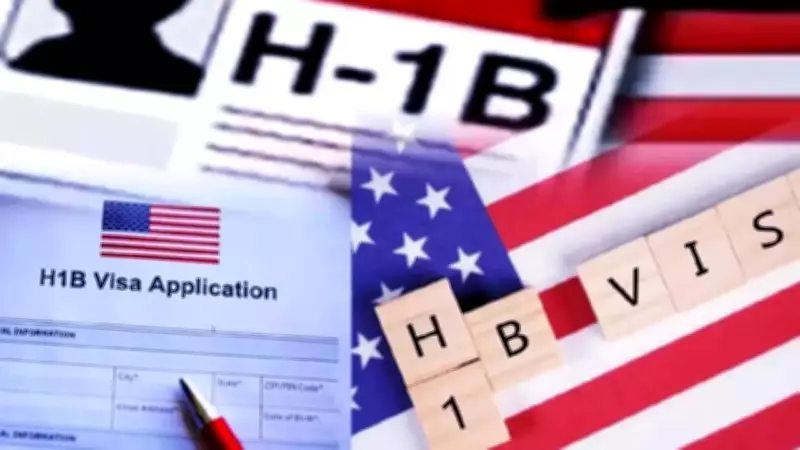
Florida's public universities are poised to implement a significant policy shift that could reshape career opportunities and research capabilities across the state. The Board of Governors is scheduled to vote on a proposed one-year freeze on hiring international faculty through the H-1B visa program, a measure that would remain in effect until January 5, 2027.
This freeze would apply exclusively to new hires, leaving existing visa holders unaffected according to reports from Florida Politics. The decision comes amid growing political pressure and could have far-reaching consequences for Florida's academic landscape.
Political Pressure Drives Proposed Freeze
The push for this hiring freeze originates from Governor Ron DeSantis, who has publicly criticized universities for recruiting international staff for positions he believes could be filled domestically. Speaking at the University of South Florida, DeSantis expressed frustration, asking, "Are you kidding me? We can't produce an assistant swim coach from this country?"

The governor further questioned the broader talent pipeline, stating, "Why aren't we producing math and engineering folks who can do this?" This stance aligns with broader Republican-led immigration restrictions, including policies championed under former President Donald Trump's "America First" platform.
Similar measures have recently been implemented in Texas, where H-1B hiring at state universities is paused through May 2027, creating a precedent for Florida's potential policy shift.
Potential Impact on Research and Faculty Careers
Chancellor Ray Rodrigues of the State University System of Florida explained that the proposed pause would allow the board to study "the cost of the program as well as how the program is used by our universities." The intention is to gather comprehensive data before making long-term decisions about international hiring practices.
However, some board members express concern about implementing such restrictions without solid evidence. Kimberly Dunn, associate professor and board member, emphasized, "We should collect data before pausing a process that is so critical to our system."
Carson Dale, student body president at Florida State University and a board member, warned that the freeze could limit access to "exceptional minds" and "materially constrains our ability to hire based on merit." He added that "this regulation has the practical effect of excluding otherwise highly qualified candidates before individual merit can be assessed."
Challenges for STEM and Medical Recruitment
The proposed freeze presents particular challenges for critical STEM and medical positions. Chuck Clemons, the University of Florida's lobbyist in Tallahassee, highlighted existing barriers, noting that a $100,000 H-1B application fee under a Trump-era executive order has already discouraged universities from using the program.
"We're not going to pay $100,000 to do an application, so it's basically priced us out of that particular market right now," Clemons explained. He further emphasized the practical implications for medical recruitment, stating, "We need to hire around 200 medical doctors," and limiting recruitment to domestic candidates "makes it harder to fill those positions."
Labor Concerns and Program Misconceptions
Supporters of the freeze argue that H-1B visas take jobs from American citizens, but critics contend the numbers are too small to have significant impact. Thomas Kennedy, policy analyst with the Florida Immigration Coalition, explained, "They're not statistically significant."
Kennedy added that the real challenges lie with visa holders themselves, who often depend on their employers for job security. "The program needs reform and lends itself to labor exploitation," he noted, pointing to systemic issues within the current H-1B framework.
Broader Implications for Academic Careers
For students, early-career researchers, and international professionals, the proposed H-1B freeze could substantially limit opportunities within Florida's university system. The Board's final vote will determine whether domestic hiring takes precedence or whether global talent remains integral to Florida's research and education ecosystem.

This decision has the potential to shape STEM and medical career paths for years to come, affecting not only individual professionals but also the research output and academic reputation of Florida's public universities. The outcome will signal whether Florida's higher education system prioritizes domestic recruitment or maintains its access to international expertise in competitive academic fields.