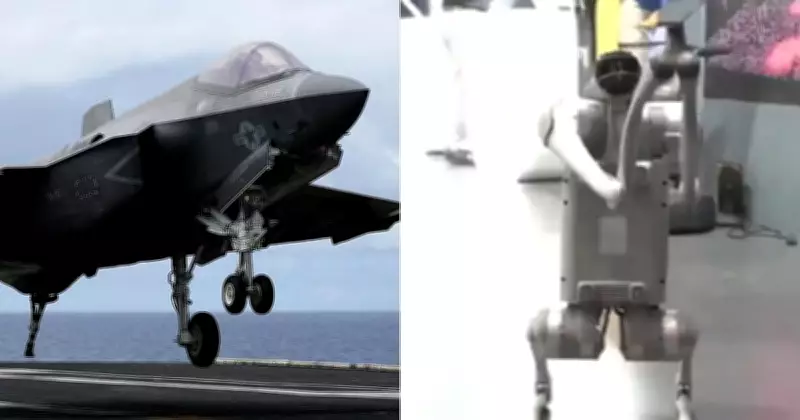
Galgotias University Issues Formal Apology Over Robodog Demonstration Controversy
In a significant development, Galgotias University has issued a formal public apology following widespread criticism and backlash over a recent robodog demonstration that sparked controversy. The university administration expressed regret for any unintended consequences or misunderstandings arising from the event, emphasizing their commitment to ethical practices and responsible innovation in technology.
Details of the Robodog Incident and University's Response
The controversy centered around a demonstration involving a robotic dog, or robodog, which reportedly raised concerns among students, faculty, and the broader public regarding privacy, surveillance, and the ethical implications of such technology in educational settings. While specific details of the demonstration remain under scrutiny, the university's apology acknowledged the need for greater transparency and community engagement in future technological initiatives.
Key points from the apology include:

- Acknowledgment of the public's concerns and the university's responsibility to address them.
- Commitment to reviewing and strengthening protocols for technology demonstrations on campus.
- Pledge to foster open dialogue with stakeholders to prevent similar issues in the future.
US Military Deploys Over 50 Fighter Jets to the Middle East Amid Rising Tensions
In a separate but equally critical development, the United States has deployed more than 50 fighter jets to the Middle East, signaling a significant military escalation in response to growing regional tensions. This deployment underscores the US government's strategic efforts to bolster security and deter potential threats in the volatile area.
Strategic Implications and Regional Context
The deployment includes advanced aircraft such as F-15 Eagles and F-16 Fighting Falcons, aimed at enhancing air superiority and rapid response capabilities. Military analysts suggest this move is part of broader efforts to counter aggression from state and non-state actors, particularly in light of recent conflicts and geopolitical shifts in the region.
Factors driving this deployment include:
- Ongoing instability in key Middle Eastern countries, necessitating increased US presence.
- Concerns over potential escalations that could impact global oil supplies and international security.
- Alliance commitments and defense agreements with regional partners.
This dual focus on domestic technological ethics and international military strategy highlights the interconnected nature of modern challenges, from campus controversies to global security dynamics. As Galgotias University works to rebuild trust, the US military's actions in the Middle East continue to shape the geopolitical landscape, with implications for peace and stability worldwide.