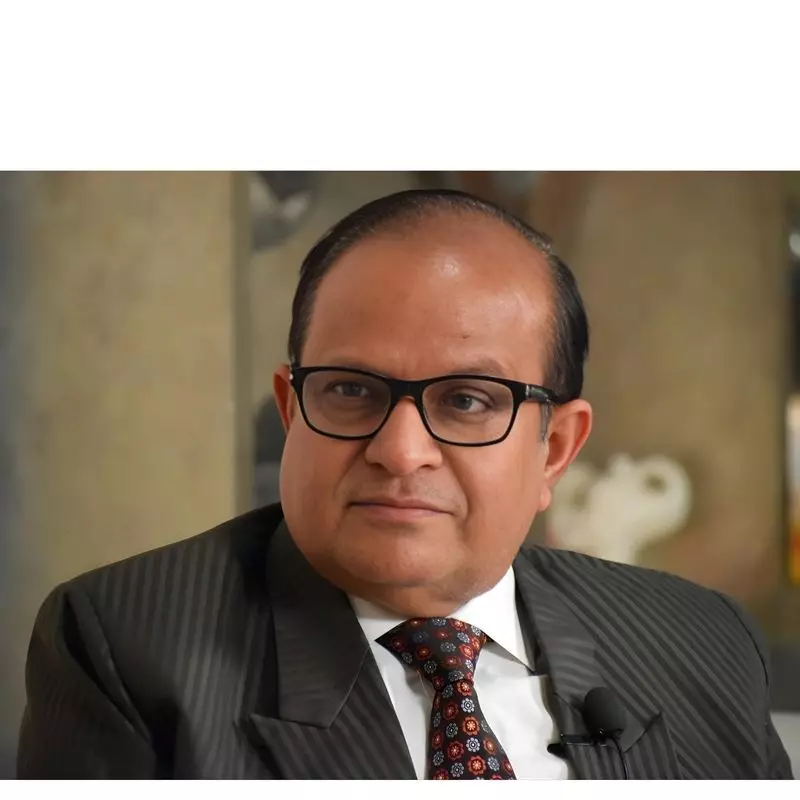
Gen Z and the Crisis of Modern Living: Professor Amod Sachan's Perspective
Professor Amod Sachan recently shared his thoughts on the struggles of Generation Z in contemporary society. He points out that young people today face unprecedented challenges. These issues stem from rapid technological changes and shifting social norms.
Key Challenges Identified
Sachan emphasizes several critical areas where Gen Z feels the pressure most acutely. He notes that mental health concerns are rising sharply among this demographic. The constant connectivity through digital devices adds to their stress levels. Social media platforms often create unrealistic expectations about life and success.
Economic uncertainties also play a significant role in this crisis. Many young individuals worry about job prospects and financial stability. The high cost of education and living expenses further complicates their situation. Sachan believes these factors contribute to a sense of anxiety and uncertainty.

Societal and Cultural Factors
The professor discusses how societal expectations impact Gen Z. Traditional family structures are evolving, leading to new dynamics. Young people often feel caught between old values and modern ideals. This conflict can result in identity crises and emotional distress.
Cultural shifts towards individualism have changed how relationships form. Sachan observes that loneliness is becoming more common despite increased online interactions. The lack of deep, meaningful connections affects overall well-being.
Potential Solutions and Recommendations
Sachan suggests several ways to address these challenges. He advocates for better mental health support systems in educational institutions. Schools and colleges should provide counseling services and stress management programs. Creating safe spaces for open discussions about personal struggles is essential.
Encouraging digital detoxes can help reduce the negative effects of constant screen time. Families and communities need to foster stronger support networks. Sachan also calls for policy changes to improve economic opportunities for young adults.
In conclusion, Professor Amod Sachan's insights shed light on the complex issues facing Gen Z. His perspective highlights the need for collective action to support this generation. By understanding their struggles, society can work towards creating a more supportive environment for young people to thrive.