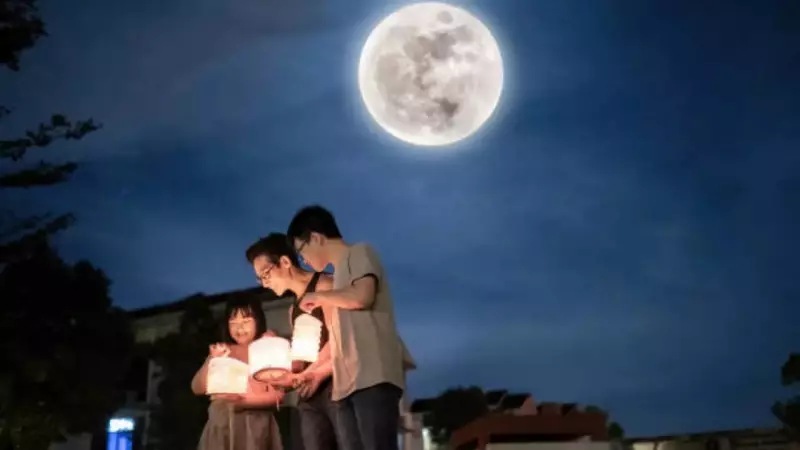
The December full moon, traditionally known as the 'Cold Moon', offers a spectacular celestial finale to the year. For young astronomy enthusiasts across India, this brighter and clearer winter moon presents a perfect opportunity to start exploring the night sky. Whether you're viewing from a city balcony or a quieter backyard, here’s how to observe this lunar event like a budding scientist.
Why the December Full Moon is Special
Marking the final full moon of the year, the December lunar display appears particularly luminous. The cold winter air reduces atmospheric haze, making the moon shine crisper. Young stargazers will enjoy learning its various names—'Long Night Moon', 'Frost Moon', and the popular 'Cold Moon'—all nods to the long, chilly nights in the Northern Hemisphere.
Planning Your Moon-Watching Session
The optimal viewing window for the December full moon is typically between 7 PM and midnight, after it rises just following sunset. To get the best view, step away from bright streetlights if possible. Finding a darker spot enhances contrast, allowing more details on the lunar surface to become visible to the naked eye.

Exploring Lunar Features Without a Telescope
You don't need expensive equipment to start your lunar exploration. Children can easily identify key features:
- Maria (the dark patches): These are ancient, solidified lava plains.
- Prominent Craters: Look for Tycho, Copernicus, and Aristarchus.
- The 'Man on the Moon': A fun pattern formed by the maria that sparks imagination.
A simple pair of binoculars can dramatically improve the experience, revealing craters, ridges, and shadows in surprising detail and creating a memorable 'Eureka!' moment for a child.
Turning Observation into a Learning Adventure
Parents can transform moon-watching into an engaging mini-lesson. Encourage kids to compare the moon's look at different times, discuss why it appears brighter in winter, or sketch what they see. Explaining that full moons occur every 29.5 days adds context to the lunar cycle, turning a quiet moment into a curiosity-building adventure.
For the tech-savvy youngster, capturing the moon with a phone camera is a great challenge. Using 'Night Mode', a slight zoom, and a steady hand can yield impressive results, blending science with creative art.
Ultimately, this can become a cherished winter tradition. A warm drink, a cozy blanket, and a shared notebook under the bright December sky can plant the seed for a lifelong passion for astronomy, beginning with simple, wonder-filled nights spent gazing upward.