IGNOU Launches Online Registrations for PGDRPC Entrance Exam for July 2026 Session
The Indira Gandhi National Open University (IGNOU) has officially commenced online registrations for the entrance examination to its Post Graduate Diploma in Rehabilitation Psychology (PGDRPC) for the July 2026 academic session. This significant announcement marks the initiation of admissions to one of IGNOU's specialised psychology programmes, addressing a critical shortage of trained rehabilitation professionals across clinical, educational, and community settings in India.
Application Process and Key Deadlines
The application process is being conducted exclusively through the Samarth Higher Education Admission Portal, a centralized digital platform for university admissions. IGNOU has set a firm deadline of March 5, 2026, for the submission of applications, with no provisions for late entries. Prospective candidates are strongly advised to complete their online registrations well before this date to avoid any last-minute complications.
Programme Overview and Regulatory Compliance
The PGDRPC is offered by the Discipline of Psychology within the School of Social Sciences (SOSS) at IGNOU. This diploma programme is meticulously designed to equip candidates with both conceptual clarity and applied skills in Rehabilitation Psychology, a field dedicated to the assessment, therapeutic intervention, and long-term support of individuals with disabilities throughout various life stages.

According to university sources, the programme operates in strict adherence to the standards outlined in the Rehabilitation Council of India (RCI) Regulations, 2017. This compliance with normative rules is fundamental to its academic organisation and professional reputation, ensuring that graduates meet nationally recognised benchmarks for quality and expertise.
Eligibility Criteria as per RCI Standards
The eligibility requirements for the PGDRPC entrance exam are rigorously defined in alignment with RCI provisions, allowing minimal deviation. Applicants must possess one of the following qualifications from a UGC-recognised university:
- A four-year Bachelor's Degree (Regular Mode) with General Psychology as a subject.
- A Master's Degree in any field of Psychology, obtained through distance or regular mode.
- A Master's Degree in Counselling Psychology, obtained through distance or regular mode.
In terms of academic performance, candidates from the General category must have secured a minimum of 55 per cent aggregate marks in their qualifying examination. For SC/ST/OBC-NCL candidates, the minimum requirement is 50 per cent aggregate marks. The university authorities have emphasised that these eligibility criteria will be strictly enforced, underscoring the programme's commitment to maintaining high academic standards.
Entrance Examination Details
Admission to the PGDRPC programme will be based on a competitive offline entrance test. The examination will consist of 50 multiple-choice questions, each carrying four marks, resulting in a total of 200 marks. A negative marking scheme will be implemented, with one mark deducted for each incorrect answer. Incomplete questions will not incur any penalty, providing some flexibility for candidates.
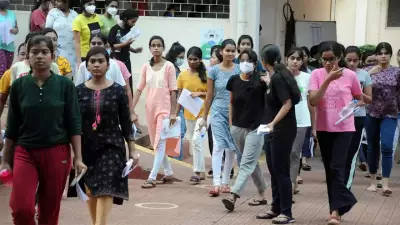
The test will be conducted in an offline format at designated university centres across the country. Candidates will be required to answer questions on an OMR sheet, following prescribed procedures to ensure accuracy and fairness. The duration of the examination has been fixed at 90 minutes, challenging applicants to demonstrate their knowledge efficiently under timed conditions.
This offline format and structured marking scheme reflect IGNOU's focus on standardised assessment and transparency in the selection process, aiming to identify the most qualified candidates for this specialised field.

Addressing the Demand for Rehabilitation Specialists
The launch of these admissions comes at a crucial time, coinciding with increased national focus on disability rights, inclusive education, and mental health services. Experts have consistently highlighted a severe shortage of qualified rehabilitation psychologists, particularly in regions beyond metropolitan centres, where access to such professionals is often limited.
By opening admissions for the July 2026 session, IGNOU is positioning itself to help bridge this skills gap in the rehabilitation sector. However, with a limited number of seats available and stringent eligibility rules in place, competition for admission is expected to be intense. This underscores the importance of thorough preparation and timely application submission for aspiring candidates.
In summary, IGNOU's initiative represents a vital step towards enhancing the availability of trained rehabilitation professionals in India, aligning with broader societal needs and regulatory frameworks.