IIT-Delhi Initiates Inquiry into Caste and Race Conference Over Speaker and Content Concerns
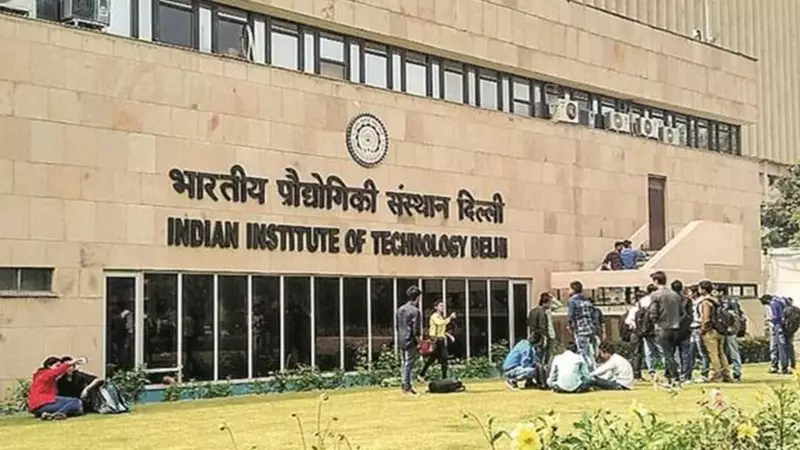
The Indian Institute of Technology-Delhi (IIT-Delhi) has formally requested explanations from faculty members regarding the selection of speakers and thematic content at a recent seminar focused on caste and race issues. In response to mounting concerns, the institute has also established a fact-finding committee with independent members to conduct a thorough investigation into the matter.
Conference Details and Institutional Response
The conference, titled ‘Critical Philosophy of Caste & Race (CPCR3): Celebrating 25 Years of Durban: Indian Contributions to Combatting Caste and Racism’, was organized by the Department of Humanities and Social Sciences at IIT-Delhi. It took place from January 16 to 18 in the Senate Hall of the main building. In an official statement released on its X handle, IIT-Delhi emphasized that serious concerns had been raised about the event, prompting the institute to seek clarifications and launch an inquiry. The statement reiterated IIT-Delhi's commitment to national goals, academic integrity, and institutional guidelines, with appropriate actions to follow based on the committee's findings.
Speaker Lineup and Academic Perspectives
The three-day conference featured a diverse array of keynote lectures and panel sessions, bringing together scholars and activists from both Indian and international universities to discuss themes related to caste-, race-, and descent-based discrimination. Notable sessions included:

- An opening introduction by Divya Dwivedi, a professor of Literature and Philosophy, and a welcome note by Abhijit Banerji, head of the Department of Humanities and Social Sciences.
- Session 5, chaired by Gajendran Ayyathurai from the University of Göttingen in Germany, which included a paper by independent researcher Aarushi Punia titled ‘What’s common between Dalits and Palestinians?’
- Contributions from Indian American Dalit rights activist Thenmozhi Soundararajan, Smita M Patil from IGNOU, and Tamil writer P Sivakami, focusing on topics such as racial and caste equity, intersectional struggles, and gender narratives.
In defense of the conference, Professor Dwivedi highlighted its academic aims, stating that it was designed to foster critical thinking on social inequalities and promote constitutional values like equality and dignity. She noted that the speakers included award-winning academics and participants from the 2001 World Conference Against Racism in Durban, whose work aligns with existing scholarly research.
Broader Context and Faculty Reactions
According to a faculty member from the humanities department at IIT-Delhi, this is not the first instance of the CPCR conference being held, nor is it the initial time concerns have been voiced about discussions on caste and race. However, the establishment of a fact-finding committee marks a significant institutional reaction. The professor pointed out that similar academic events, such as a recent conference on Hindutva, did not face comparable scrutiny, raising questions about the consistency of institutional responses.
The organizers' concept note for the conference emphasized its focus on documenting and theorizing descent-based discrimination, aiming to highlight the efforts of oppressed groups. This incident underscores ongoing debates within academic circles regarding freedom of expression, institutional oversight, and the balancing of diverse perspectives in higher education settings.