IIT Kharagpur Unveils Groundbreaking Bengali-Language BS Programme in AI and Data Science
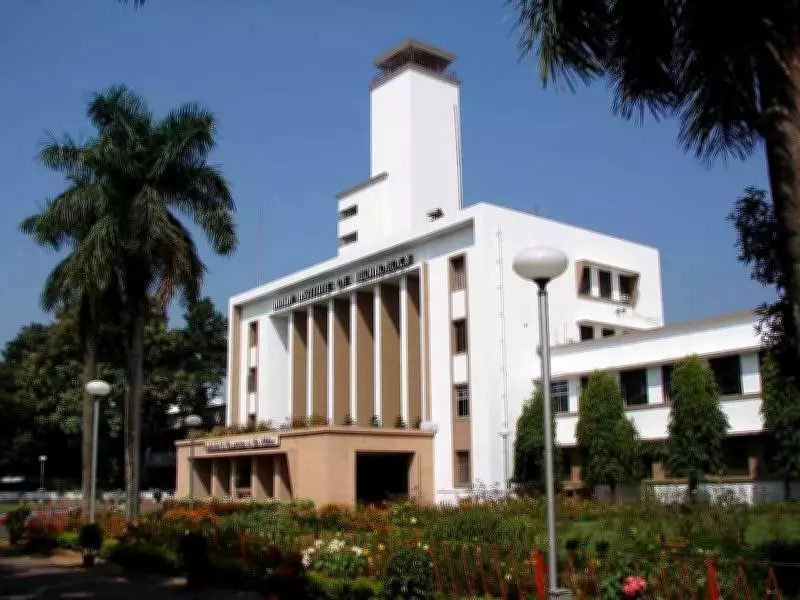
In a landmark move for regional education, the Indian Institute of Technology (IIT) Kharagpur has announced the introduction of a four-year Bachelor of Science (BS) programme in Artificial Intelligence (AI) and Data Science, to be taught primarily in Bengali. The initiative, set to commence from the 2026 academic session, was revealed by director Suman Chakraborty during a press conference at the Renaissance 2.0 global summit held at the IIT Kharagpur Research Park on Tuesday.
Aligning with National Education Policy and Inclusivity Goals
Director Chakraborty emphasised that this programme is specifically designed to cater to Bengali-speaking students, thereby promoting linguistic inclusivity in higher education. The course structure is fully aligned with the National Education Policy (NEP) 2020, which advocates for instruction in regional languages to enhance accessibility and learning outcomes. Chakraborty stated, "We are introducing a BS programme in AI and Data Science from this academic season in Bengali, aiming to empower Bengali-speaking youngsters and foster a more diverse tech workforce."
The programme will be presented to the Senate for final approval, with plans to make it an inclusive online course. Notably, admissions will not require JEE Main or Advanced scores; instead, it will adopt a model similar to IIT Madras's BS programme, broadening access beyond traditional engineering entrance pathways.

Flexible Structure and Global Competitiveness
The BS degree is equivalent to a BTech or BSc and includes provisions for campus placements, ensuring career readiness for graduates. A key feature is its flexible design with multiple entry and exit points, allowing students to earn certificates or diplomas at various stages, depending on their completion level. This modular approach supports lifelong learning and accommodates diverse student needs.
While the instruction will be in Bengali, a faculty member clarified that technical terminology will remain in English to maintain global competitiveness and align with international standards. "It won't be a problem to teach in Bengali, though technical terms will stay in English to ensure our graduates can compete worldwide," the faculty member added.
Renaissance 2.0 Summit: A Vision for Educational Transformation
The announcement was made at the Renaissance 2.0 summit, which coincides with IIT Kharagpur's 75th anniversary. This global parliament of thoughts is anchored in four pillars: reimagining education, rethinking economic constructs beyond traditional capitalism or socialism, guiding technological evolution through 'Science with Soul,' and advancing the vision of 'One Humanity.'
Director Chakraborty highlighted the urgent need for educational reform, stating, "We have reached a stage where a major transformation in education is mandatory — one that prepares students not just as technocrats, but as citizens who build the world. We aim to create a framework for a 'Renaissance in Education' that integrates technical intelligence with emotional vectors."
Distinguished Attendees and Broader Implications
The session was attended by notable figures, including Sukanta Majumdar, Union Minister of State for Education; Partha S Ghosh, Chairman of The Boston Pledge; Madhusudan Chakraborty, former director of IIT Bhubaneswar; Harshvardhan Neotia, Chairman of Ambuja Neotia Group; and Padma Bhushan Pt. Ajoy Chakrabarty. Their presence underscores the significance of this initiative in shaping India's educational landscape.
This programme represents a significant step towards democratising advanced education in India, making cutting-edge fields like AI and Data Science accessible to non-English speakers. It is expected to inspire other institutions to adopt similar multilingual approaches, in line with NEP 2020's vision for a more inclusive and innovative education system.