In a significant address, the director of the Indian Institute of Technology-Patna (IIT-P) underscored the indispensable role of civil engineers in shaping the nation's future. Speaking on Thursday, Director T N Singh emphasized that these professionals are the backbone of national development, responsible for creating and maintaining the critical infrastructure that fuels economic growth and public welfare.
The Pillars of Societal Progress
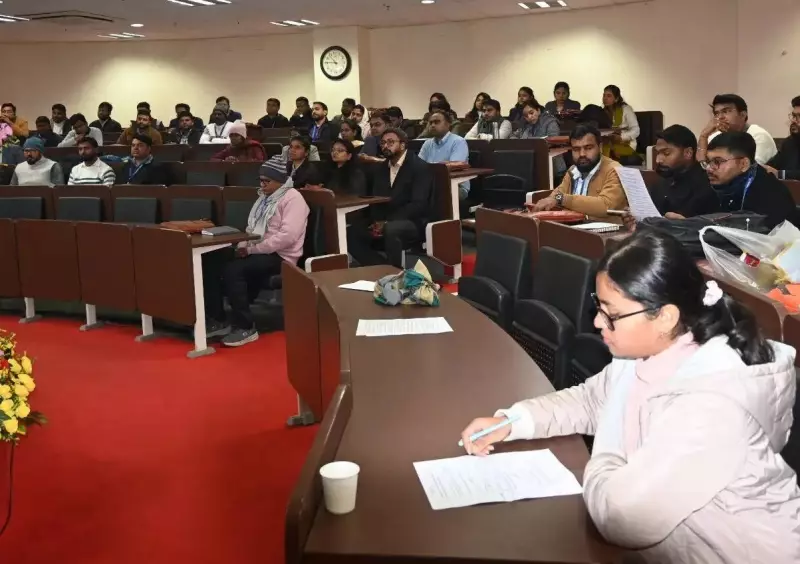
Director T N Singh inaugurated a specialized 12-day training program designed for engineers from the State Rural Works Department (RWD). The event was organized by IIT-Patna's own Department of Civil and Environmental Engineering. Singh described civil engineers as foundational community builders whose work spans from urban planning to essential utilities, directly impacting the quality of daily life for all citizens.
He elaborated that their domain includes designing and sustaining vital infrastructure such as roads, bridges, water supply systems, and buildings. This infrastructure not only supports economic activity but also ensures public safety, promotes sustainability, and builds resilience against modern challenges like climate change.

Training for a Resilient Future
The intensive training program has drawn participation from around 60 engineers belonging to the RWD. Its core objective is to build their technical capacity and ultimately improve the quality, durability, and resilience of rural infrastructure across the state.
Providing details about the curriculum, program convener Vaibhav Singhal stated that the sessions would delve into advanced and practical aspects of civil engineering. The focus areas include:
- Hydraulic studies and bridge waterway hydraulics
- Scour protection techniques
- Geotechnical investigation and foundation design
- Modern bridge design principles
- Pavement engineering
Learning from Experience and Expertise
During his inaugural speech, Director Singh also offered words of encouragement to the practicing engineers. He acknowledged that engineers often face public criticism when projects encounter problems. However, he urged them not to be disheartened. Instead, he advised them to learn from mistakes and continuously strive to enhance the quality of their work.
The training initiative saw active involvement from esteemed faculty members. Ramakar Jha from NIT-Patna, along with Subrata Hait, Nitin Kumar, Arvind Kumar Jha, and Arpit Jain from IIT-Patna, interacted with the trainees. They provided crucial insights and necessary technical inputs related to contemporary civil engineering practices.
This collaborative program between a premier institute like IIT-Patna and the state's Rural Works Department marks a proactive step towards strengthening the technical foundation of rural infrastructure development, aligning it with the goals of safety, sustainability, and long-term national progress.