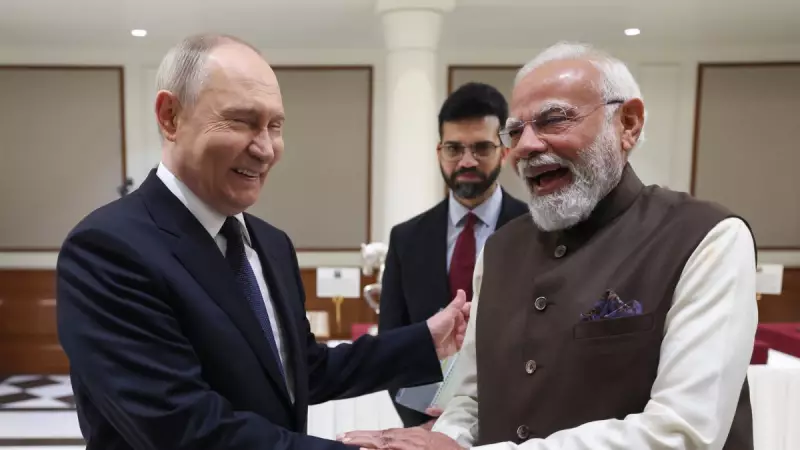
In a significant move to bolster skill development and workforce readiness, India and Russia have forged a strengthened partnership focused on vocational education and training. The landmark agreement was signed on December 5, 2025, marking a new chapter in bilateral cooperation between the two nations.
A Strategic Focus on Future-Ready Skills
The core of this partnership lies in enhancing India's vocational training ecosystem, particularly its Industrial Training Institutes (ITIs). The collaboration aims to integrate advanced Russian expertise and methodologies into the Indian skill development framework. Key sectors identified for immediate focus include information technology, artificial intelligence, and manufacturing. This strategic alignment is designed to equip the Indian youth with cutting-edge, industry-relevant competencies that meet the demands of a rapidly evolving global economy.
Key Components of the Bilateral Agreement
The pact encompasses several crucial initiatives. A major component is the exchange of experts and trainers, facilitating the flow of knowledge and best practices between the two countries. Furthermore, the agreement paves the way for the joint development of curriculum and training modules, ensuring that the educational content is both contemporary and practical. Another vital aspect is fostering institutional linkages between Indian and Russian vocational training centers, promoting collaborative research and development in skill pedagogy.

Implications for India's Youth and Economy
This partnership is poised to have a profound impact on India's ambitious skill development mission. By leveraging Russian experience in technical education, India aims to significantly improve the quality and employability of its vocational graduates. The initiative directly supports the national goal of creating a skilled workforce capable of driving industrial growth and innovation. It is expected to open new avenues for students in ITIs and other vocational institutes, providing them with internationally benchmarked training and better career prospects both domestically and abroad.
The December 5 agreement underscores a shared commitment to human resource development as a cornerstone of economic progress. As both nations work to implement the outlined programs, this collaboration is set to become a model for international cooperation in the critical field of vocational education and training.