A profound shift is reshaping India's higher education sector. Universities across the country are moving beyond rigid academic boundaries, recognizing that preparing students for a complex global future requires more than just technical skills. The new imperative is to weave India's rich cultural heritage, arts, and ethical frameworks directly into the core of modern education.
The Drivers of Change: From Silos to Synergy
This transformation is driven by a clear demand from the evolving workplace. Employers increasingly seek graduates who possess not only domain expertise but also cultural awareness, ethical reasoning, and the ability to connect ideas across disciplines. In response, educational institutions are strategically integrating subjects like Indian philosophy, performing arts, Indology, and studies of heritage systems. These are no longer seen as optional extras but as vital resources for developing adaptable, reflective professionals.
National policy reforms are accelerating this trend. By 2025, India has significantly expanded its Indian Knowledge System (IKS) ecosystem, establishing numerous centres dedicated to research and internships that bridge traditional wisdom with contemporary applications. Furthermore, higher education reforms now promote the creation of large, multidisciplinary universities designed to dismantle old barriers between subjects. This allows students greater freedom to combine diverse fields of study.

How Universities Are Implementing the New Vision
The practical implementation of this vision is multifaceted. Universities are now awarding formal academic credits for courses in philosophy, cultural studies, and the arts, granting them long-overdue legitimacy. Flexible curriculum structures, which offer multiple entry and exit points, enable a student to pair a course on the ethical teachings of the Bhagavad Gita with another in technology, entrepreneurship, or media. The national push for multilingual and context-based education further strengthens this cultural grounding.
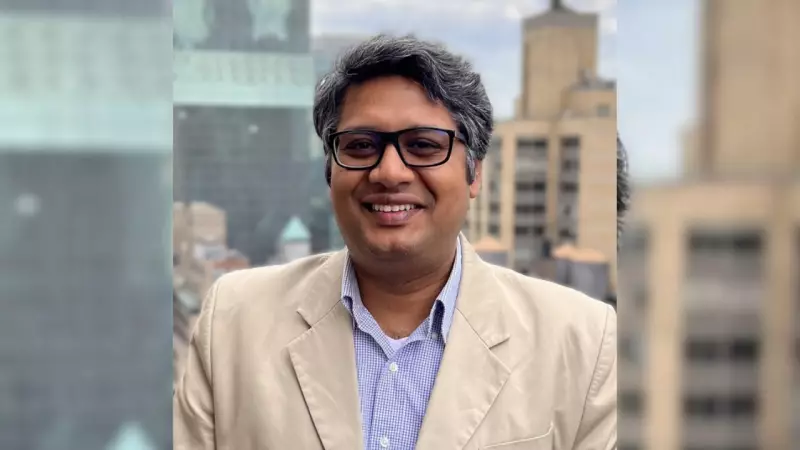
Dr. Krishna Abhishek Ghosh, Dean of Faculty for Dharma Studies at Somaiya Vidyavihar University (SVU), encapsulates the philosophy behind this movement. He states that Indian arts and ethical traditions are "living frameworks for innovation, meaning, and social purpose". At SVU, the goal is to ensure students learn "not only how to do but also how to think, reflect, and engage across contexts."
The Impact: Cultivating Graduates for a Global Stage
This focus on cultural pedagogy has far-reaching implications for graduate success. Students equipped with this hybrid knowledge are finding relevance in emerging fields like heritage management, digital humanities, wellness industries, and ethical policy-making. In an era defined by challenges in artificial intelligence, climate governance, and social cohesion, a deep engagement with cultural and ethical traditions provides a crucial foundation for responsible decision-making and contextual intelligence.
However, experts caution that successful integration requires more than just adding a few elective courses. It demands the development of rigorous curricula that honor the depth of Indian traditions while demonstrating their modern relevance. These subjects must be meaningfully interconnected with other disciplines—for example, ethics with technology, or heritage studies with media and design. Institutions are also fostering partnerships with cultural organizations, heritage sites, and community groups to provide authentic, experiential learning opportunities.
The rise of cultural pedagogy represents a rebalancing in Indian education, where innovation is deeply rooted in cultural identity. By blending heritage with cutting-edge knowledge, universities are aiming to shape a new generation of professionals: individuals who are not only employable but also ethically grounded, culturally fluent, and capable of creative, purposeful leadership in an interconnected world.