India's First AI Classroom: A Revolutionary Step in Free, Adaptive Education
In a groundbreaking development for the education sector, India has unveiled its first artificial intelligence-powered classroom, designed to provide free, personalized learning that refuses to progress until students fully grasp the material. This innovative initiative marks a significant leap forward in leveraging technology to address educational challenges and democratize access to quality instruction.
How the AI Classroom Operates
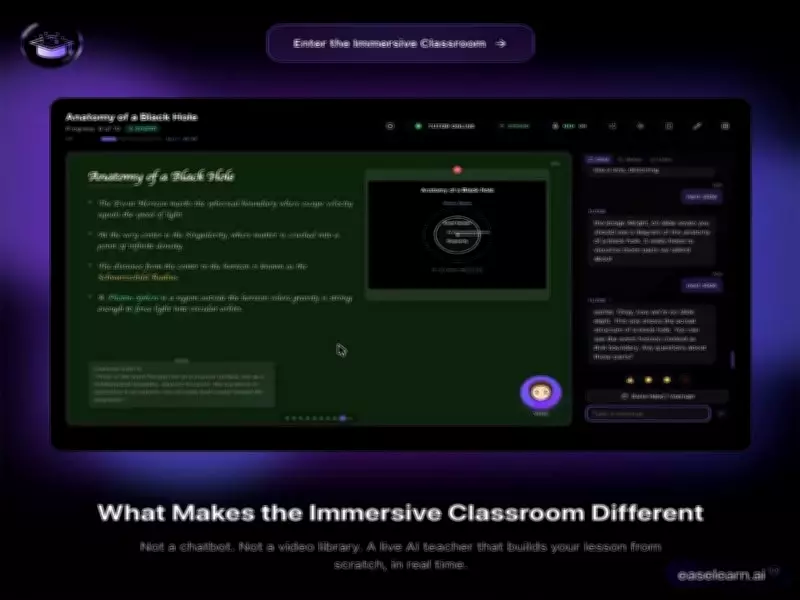
The AI classroom utilizes advanced algorithms and machine learning to create a dynamic, interactive learning environment. Unlike traditional classrooms that follow a fixed curriculum pace, this system continuously assesses each student's understanding in real-time. It employs natural language processing and adaptive feedback mechanisms to tailor lessons to individual needs.
Key features include:

- Personalized pacing: The AI adjusts the speed of instruction based on student performance, ensuring no one is left behind.
- Comprehension checks: It incorporates quizzes, interactive exercises, and simulations to verify understanding before advancing.
- Free access: The platform is available at no cost, aiming to bridge educational gaps across socio-economic backgrounds.
- Data-driven insights: Teachers and administrators receive analytics on student progress, enabling targeted support.
Impact on Education and Future Prospects
This AI classroom initiative is poised to transform learning outcomes by fostering a more inclusive and effective educational ecosystem. By prioritizing comprehension over rote memorization, it aligns with modern pedagogical approaches that emphasize critical thinking and problem-solving skills. The free aspect removes financial barriers, potentially reaching underserved communities and reducing dropout rates.
Experts highlight that such technology could complement traditional teaching methods, offering a hybrid model where AI handles repetitive tasks and provides supplemental support, while human educators focus on mentorship and complex instruction. As India continues to invest in digital infrastructure and tech-driven solutions, this project sets a precedent for future innovations in edtech, with potential applications in remote areas and lifelong learning programs.