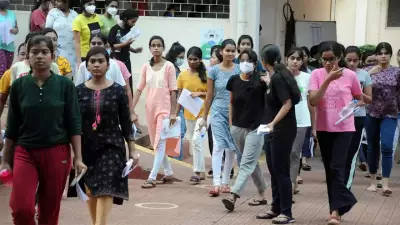
JNU Students Escalate Protests, Demand Vice-Chancellor's Immediate Removal
In a significant escalation of ongoing campus unrest, students at Jawaharlal Nehru University (JNU) in Delhi have issued a firm demand for the removal of Vice-Chancellor Santishree Dhulipudi Pandit. The student body, represented by the JNU Students' Union (JNUSU), has announced plans for a long march to the Ministry of Education, signaling a deepening confrontation with the university administration and central authorities.
Core Demands and Allegations Against the Vice-Chancellor
The students' call for action is rooted in a series of grievances that have been simmering for months. They accuse Vice-Chancellor Pandit of implementing policies that undermine academic freedom, mismanaging university funds, and fostering an environment of administrative overreach that stifles student voices. Specific allegations include arbitrary fee hikes, curtailment of democratic spaces on campus, and alleged neglect of infrastructure and student welfare issues.
The JNUSU has framed this as a fight to preserve JNU's legacy as a hub of critical thinking and inclusive education. They argue that the current leadership's actions are antithetical to the university's founding principles, necessitating urgent intervention from the Ministry of Education.

Announcement of the Long March to the Ministry of Education
In a decisive move, the protesting students have announced a long march from the JNU campus to the Ministry of Education's office in Delhi. This planned demonstration is intended to directly petition the central government, bypassing the university administration which they view as unresponsive. The march is scheduled to take place in the coming days, with organizers expecting a large turnout from the student community and possibly sympathetic faculty members.
The strategy reflects a shift from localized campus protests to a broader appeal for governmental action, highlighting the students' determination to escalate their campaign until their demands are met. Logistics for the march, including route details and safety measures, are being finalized by the student union.
Broader Context of Student Unrest at JNU
This latest development is not an isolated incident but part of a prolonged period of student activism at JNU. The university has a storied history of political engagement and protest, often centered on issues of governance, social justice, and educational policy. The current administration under Vice-Chancellor Pandit, appointed in 2022, has frequently clashed with student groups over various decisions, creating a persistent atmosphere of tension.
Previous protests have addressed similar concerns, but the call for removal and the planned long march represent a significant intensification. The students' actions are likely to draw national attention, given JNU's prominent role in India's academic and political landscape.
Potential Implications and Next Steps
The announcement sets the stage for a potential showdown between student protesters and authorities. Key implications include:
- Increased scrutiny on university governance: The protest could prompt wider debates about administrative accountability in higher education institutions.
- Government response: The Ministry of Education's reaction to the march will be closely watched, as it may influence future student-administration relations.
- Academic disruption: Sustained protests might impact regular academic activities, affecting students and faculty alike.
As preparations for the long march advance, the situation remains fluid. The JNU administration has yet to issue an official response to the latest demands, but pressure is mounting for a resolution to the ongoing conflict. The outcome could have lasting effects on campus dynamics and set precedents for student activism in Indian universities.