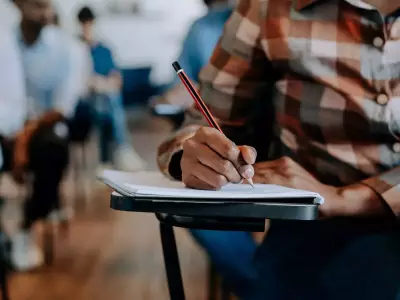
Long after the final applause faded at the Kerala School Kalolsavam on Sunday, the vibrant energy of hundreds of students found a new home. It moved from the physical stages to the digital realm. Their creative expressions now live on through an ambitious archiving project.
Preserving Student Creativity for the Future
For the past eight editions of this major arts festival, organizers have saved more than 5,000 literary and artistic works. These pieces were all created by participating students. A large-scale digital archiving initiative ensures these creative outputs survive well beyond the competition dates.
A Collaborative Effort Led by KITE and Wikipedia Volunteers
The Kerala Infrastructure and Technology for Education, known as KITE, spearheads this preservation work. KITE serves as the official technology arm of the state's education department. They receive valuable support from Wikipedians of Kerala. This volunteer group actively contributes to Wikipedia and other open knowledge platforms.

Together, these teams have archived student submissions from 48 different events. The collection includes poems, essays, short stories, paintings, collages, and posters. Many of these works would have been thrown away after the festival ended in previous years.
Students Take an Active Role in the Process
This year alone, volunteers digitized and uploaded over 720 literary works. These came from both high school and higher secondary categories. All materials now reside on the School Wiki platform.
A key feature of this initiative is direct student involvement. The young creators themselves help catalog and upload their own material. Volunteers assist them throughout the process. This turns archiving into a hands-on, collaborative learning experience for everyone involved.
A Dramatic Shift from Past Practices
This new approach marks a significant change. Until 2015, the festival kept student works for only about six months. Officials retained them primarily to address any disputes over competition results. After that period, the works were typically discarded.
Vijayan Rajapuram, the School Wiki state coordinator, highlighted the transformation. He said, "Before 2016, even the creator could not see their work once they left the competition venue. Now, as soon as results are published, works are uploaded to School Wiki and made accessible to the public."
Open Licensing Makes Works Widely Accessible
Archived works are released under open licensing norms. This allows anyone to reproduce the material without needing prior permission. The only requirement is that users give proper credit to the original creators. This approach fully aligns with open knowledge principles.
Part of a Larger Educational Mission
KITE CEO Anwar Sadath explained that the Kalolsavam archiving forms one part of the broader School Wiki initiative. This larger project launched back in 2009. It currently documents over 15,000 schools across Kerala.
During the Covid-19 pandemic, the platform recorded nearly 60,000 student works. This happened under the special 'Akshara Vriksham' project.
Future Plans Include Searchability and Multimedia
Looking ahead, KITE has exciting plans to enhance the archive. They aim to extract text from images of the artworks. This will make the works searchable online. The organization also wants to explore creating audio podcasts and video stories based on the students' original creations.
A Cultural Goldmine in the Making
Manoj Karingamadathil from Wikipedians of Kerala emphasized the project's cultural importance. He stated, "If we could revisit works from the earliest Kalolsavams, many creators would now be renowned artists. This archive is a cultural goldmine in the making—priceless and accessible to all."
This digital preservation effort ensures that the voices, colors, and ideas from Kerala's school festivals will inspire future generations. It transforms temporary competition pieces into lasting cultural treasures.