Punjab Introduces Groundbreaking Policy for Private Digital Universities
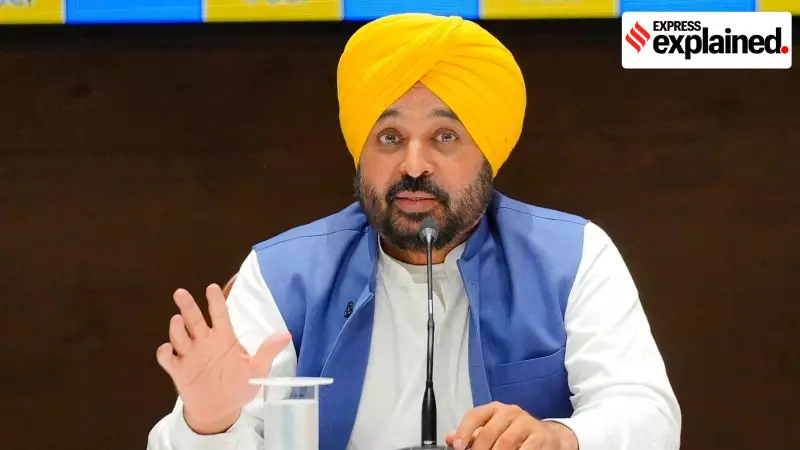
The Aam Aadmi Party government in Punjab has taken a significant step in transforming higher education. On January 15, 2026, the state government officially notified the Punjab Private Digital Open Universities Policy, 2026. This policy marks what the government calls India's first comprehensive framework for private digital universities.
What Does This Policy Actually Do?
The policy opens doors for private organizations to establish digital universities in Punjab. These institutions will operate entirely through online platforms. Students can complete entire degree programs from their homes without attending physical classes. The digital universities will offer undergraduate, postgraduate, and professional programs using online classes, digital assessments, virtual laboratories, and other technology-enabled tools.
According to the official government note, this move responds to the rapidly evolving educational landscape driven by digital technologies. The policy specifically addresses the growing need for flexible learning options across the state.

Key Features of the Digital University Framework
The policy outlines several important requirements for private players interested in establishing these universities:
- Private organizations must have at least five years of credible experience in online learning
- They need to maintain a Corpus Fund of at least Rs 20 crore
- Applicants must pay a processing fee of Rs 5 lakh when submitting their application
- Once approved, another Rs 20 lakh payment is required to the Department of Higher Education
The government emphasizes that this policy comes with no financial burden on the state. All investment must come from private parties. The policy aims to attract quality private investment in online education while generating processing fee revenue for the Higher Education Department.
Physical Infrastructure Requirements
While these are digital universities, they will have physical campuses serving as administrative headquarters. The policy requires at least three acres of land for establishing offices, digital content studios, learner support centers, and other technical infrastructure.
Important clarification: No classes will be held on these campuses. The physical infrastructure is intended solely for administrative purposes and digital production. It should not be confused with traditional classroom-based teaching facilities.
Reservation and Quality Assurance Measures
The policy includes several safeguards to ensure quality education and accessibility:
- At least 15% of seats in each program must be reserved for candidates domiciled in Punjab
- All programs must receive proper recognition from the University Grants Commission and, where applicable, the All India Council for Technical Education
- Each university must appoint a Digital Ombudsman to address student grievances
- Fee structures must be transparent and reasonable
Approval Process and Oversight
The approval process involves multiple levels of scrutiny. First, the Administrative Department of Higher Education conducts preliminary scrutiny of proposals. Then, a five-member sub-committee reviews the proposal in detail. This committee is headed by the administrative secretary for higher education and includes the vice-chancellor of a state university.
After sub-committee approval, proposals go before a high-level committee chaired by the chief secretary. Final approval for issuing letters of intent comes from either the Chief Minister or, when appropriate, the Council of Ministers.
Enforcement and Penalties
The policy establishes clear consequences for violations. If universities fail to comply with UGC norms or other regulations, the state government can take several actions:

- Impose financial penalties up to Rs 25 lakh
- Suspend or withdraw university recognition
- Bar fresh admissions
- Conduct inquiries based on complaints or suo moto
How This Policy Differs from Existing Models
While the Punjab government claims this is India's first such policy, digital universities already exist in other states. Examples include Digital University Kerala, the National Digital University launched by the central government, and NIELIT Digital University started by the Ministry of Electronics and IT.
However, what makes Punjab's approach unique is its comprehensive policy framework specifically designed for private digital universities. The existing Punjab Private Universities Policy from 2010 did not cover digital institutions, creating the need for this new regulation.
The policy specifically prohibits digital universities from affiliating with colleges or opening distance learning centers. Each university must operate from a single notified digital campus comprising only its administrative headquarters.
Significance for Women and Flexible Learning
Government officials highlight that this policy holds particular importance for women who wish to resume their studies from home. By eliminating the need for physical attendance, digital universities provide greater accessibility for those with caregiving responsibilities or mobility limitations.
The policy arrives at a time when the Department of Higher Education had already begun receiving proposals for establishing private digital open universities in Punjab. This indicates existing market interest in digital education solutions within the state.
As Punjab positions itself as a pioneer in digital learning, this policy represents what the government describes as historic reform in India's higher education landscape. The success of this initiative could influence similar policies in other states looking to expand access to flexible, technology-enabled education.