Suhel Seth Champions Arts as Essential in School Curriculum
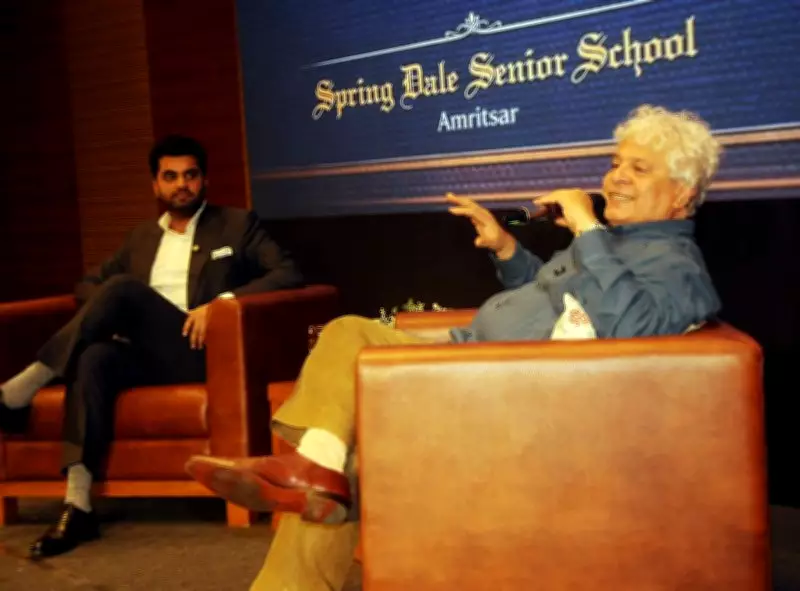
Marketing guru and public commentator Suhel Seth has ignited a significant conversation in educational circles by strongly advocating for the inclusion of arts as a mandatory subject in the Indian school system. Speaking recently, Seth emphasized that integrating arts into the core curriculum is not merely an enhancement but a fundamental necessity for nurturing well-rounded individuals.
The Core Argument for Arts Integration
Seth argues that the current education framework in India places an overwhelming emphasis on science, technology, engineering, and mathematics (STEM) subjects, often at the expense of creative disciplines. He believes this imbalance stifles innovation and critical thinking skills among students. According to Seth, arts education—encompassing visual arts, music, theater, and dance—plays a pivotal role in developing empathy, emotional intelligence, and problem-solving abilities, which are crucial for success in the modern world.
"Arts are not a luxury; they are a lifeline to creativity," Seth stated, highlighting that exposure to the arts can significantly enhance cognitive development and academic performance across all subjects. He pointed to studies suggesting that students engaged in arts programs often show improved grades, better attendance, and higher levels of motivation.

Potential Impact on Educational Policy
Seth's call to action comes at a time when India is undergoing various educational reforms, including the implementation of the National Education Policy (NEP) 2020, which already advocates for a more holistic and multidisciplinary approach. His proposal aligns with the NEP's vision but pushes for a stricter mandate, suggesting that arts should be compulsory from primary through secondary education, rather than optional or extracurricular.
This stance has sparked debate among educators, policymakers, and parents. Proponents agree with Seth, citing the need to reduce academic pressure and foster diverse talents. Critics, however, raise concerns about logistical challenges, such as resource allocation, teacher training, and potential overcrowding of the curriculum.
Broader Implications for Student Development
Beyond academic benefits, Seth emphasized that mandatory arts education could have profound social and cultural impacts. He noted that it could help preserve India's rich artistic heritage, promote inclusivity by catering to different learning styles, and equip students with soft skills highly valued in today's job market, such as collaboration and adaptability.
"In a rapidly changing global economy, creativity is the new currency," Seth remarked, urging stakeholders to reconsider the role of arts in shaping future generations. His advocacy has resonated with many in the arts community, who see it as a long-overdue recognition of their field's importance.
As discussions continue, Seth's proposal adds momentum to ongoing efforts to reform Indian education, potentially influencing policy decisions and curriculum designs in the coming years. Whether it leads to concrete changes remains to be seen, but it has undoubtedly placed arts education at the forefront of national discourse.