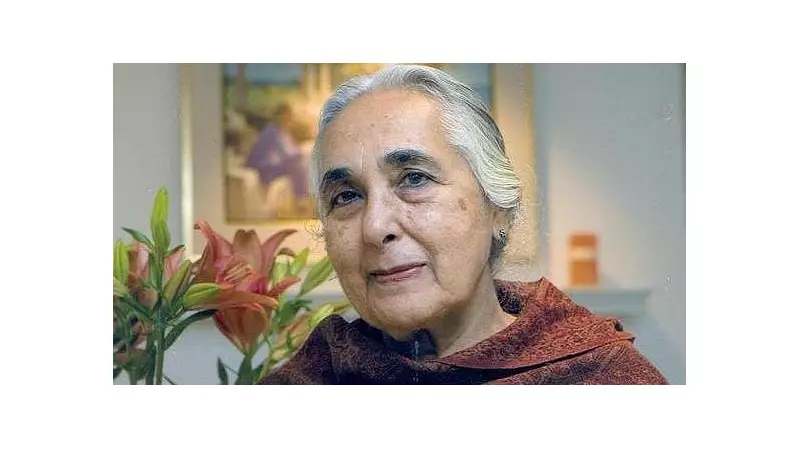
Renowned historian Romila Thapar delivered a compelling address at the ongoing ninth edition of the Kerala Literature Festival (KLF), where she strongly criticized the removal of Mughal history from textbooks, labeling it as nonsense and emphasizing that history must be presented as a continuous narrative.
Thapar's Stance on Historical Continuity
Speaking online at the festival on Saturday, Thapar articulated her concerns about the current trends in historical education in India. She argued that selectively omitting periods like the Mughal era disrupts the flow of history, making it fragmented and incomplete. According to Thapar, such actions undermine the educational purpose of understanding the past in its entirety.
Key Issues Addressed at KLF
During her session, Thapar covered a range of critical topics beyond the textbook controversy. She discussed:

- The rise of popular history on social media: Thapar highlighted how platforms like social media are reshaping public perceptions of history, often oversimplifying complex narratives.
- The importance of feminist history: She stressed the need to incorporate women's perspectives and contributions into historical accounts to provide a more balanced view.
- The central role of education in questioning knowledge: Thapar emphasized that education should encourage critical thinking and skepticism, rather than passive acceptance of information.
Broader Implications for Indian Education
Thapar's comments come at a time when debates over historical narratives in Indian textbooks are intensifying. Her call for a continuous history aligns with broader academic concerns about preserving historical accuracy and diversity. By advocating for inclusive education, she aims to foster a more informed and questioning society.
The Kerala Literature Festival, held annually, serves as a platform for intellectual discourse, and Thapar's participation underscores its significance in addressing contemporary issues. Her insights are particularly relevant as India navigates the complexities of its historical identity in the modern era.