The Vanishing Culture of Debate Across Indian Universities
In recent years, a concerning trend has emerged across the landscape of higher education in India: the gradual erosion of open debate and intellectual dissent within university campuses. This phenomenon, which threatens the very foundation of academic freedom and democratic values, has sparked widespread discussion among educators, students, and policymakers alike. The health of any society, as many scholars argue, can be measured by how much dissent it tolerates and encourages, making this decline particularly alarming for India's future.
The Historical Role of Universities as Hubs of Discourse
Traditionally, Indian universities have served as vibrant centers for critical thinking, where students and faculty engaged in rigorous discussions on politics, society, and culture. These institutions were not merely places for acquiring knowledge but were crucibles for shaping informed citizens capable of questioning authority and proposing alternative viewpoints. The culture of debate fostered an environment where diverse perspectives could clash and coalesce, leading to deeper understanding and innovation.
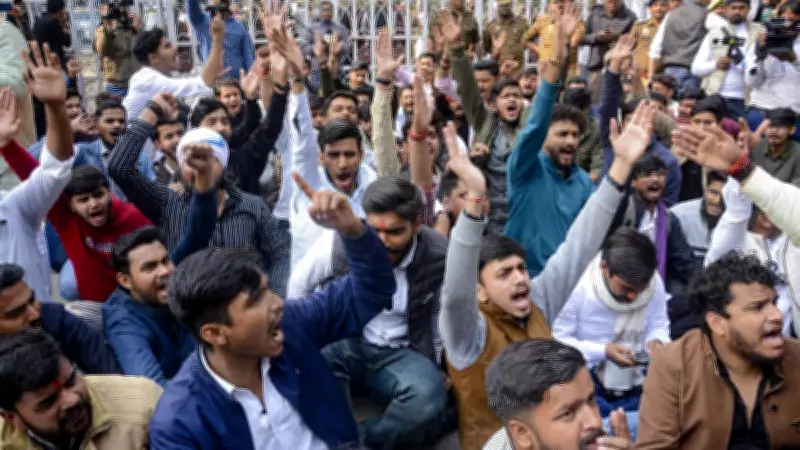
However, this rich tradition is now under threat. Reports from various campuses indicate a shrinking space for dissenting voices, with students and professors often facing repercussions for expressing unpopular or controversial opinions. This shift is attributed to multiple factors, including increased political interference, administrative caution, and a growing climate of intolerance that prioritizes conformity over critical inquiry.

Factors Contributing to the Decline of Debate
Political and Administrative Pressures: Many universities have become battlegrounds for ideological conflicts, with external political forces exerting influence over academic affairs. This has led to censorship of events, restrictions on student groups, and even disciplinary actions against those who challenge prevailing narratives. Administrators, fearing backlash or funding cuts, may avoid hosting debates on sensitive topics, thereby stifling intellectual exploration.
Rising Intolerance and Polarization: Societal polarization has seeped into campuses, creating an atmosphere where dissent is often met with hostility rather than dialogue. Students and faculty may self-censor to avoid conflicts or social ostracization, leading to a homogenization of thought that undermines the purpose of higher education.
Digital Echo Chambers: The rise of social media and online platforms has, paradoxically, contributed to the decline of in-person debates. While digital spaces offer new avenues for discussion, they often reinforce existing biases and reduce the need for face-to-face engagement, weakening the culture of live, respectful discourse on campuses.
Implications for Society and Democracy
The vanishing culture of debate in Indian universities has far-reaching consequences. Without robust intellectual discourse, universities fail to prepare students for the complexities of a democratic society, where compromise and critical thinking are essential. This erosion can lead to a generation less equipped to challenge injustices or contribute to societal progress, ultimately weakening the democratic fabric of the nation.
Moreover, the suppression of dissent undermines academic freedom, a cornerstone of innovation and knowledge production. When scholars fear repercussions for their research or opinions, it hampers scientific and social advancements, limiting India's potential on the global stage.
Potential Solutions and the Way Forward
To reverse this trend, stakeholders must take proactive steps. Universities should reaffirm their commitment to free speech by establishing clear policies that protect dissent and encourage open dialogue. This includes creating safe spaces for debate, where all voices are heard without fear of retribution.
Additionally, fostering a culture of empathy and respect among students and faculty can help bridge ideological divides. Workshops on critical thinking and civil discourse can equip individuals with the skills needed to engage in productive debates, rather than confrontations.

Ultimately, reviving the culture of debate in Indian universities is not just an academic concern but a societal imperative. As Ravi Kumar and other observers note, the tolerance of dissent is a key indicator of a healthy society. By nurturing environments where debate thrives, India can strengthen its democracy and ensure that its educational institutions remain beacons of enlightenment and progress for generations to come.