Academic Integrity in the Age of Speed and Screens
The rapid integration of digital tools and online platforms into education has fundamentally transformed the learning landscape, bringing both unprecedented opportunities and significant challenges to academic integrity. In an era characterized by instant access to information and constant connectivity, students and educators are navigating a complex environment where the lines between collaboration and cheating can often blur. This shift demands a critical examination of how traditional notions of honesty and originality are being reshaped by technology.
The Impact of Digital Tools on Student Behavior
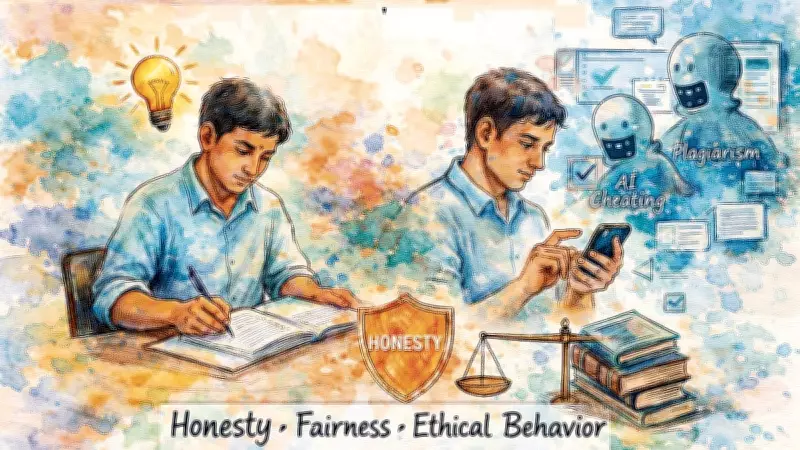
Digital devices and the internet have made information more accessible than ever before, enabling students to research topics quickly and efficiently. However, this ease of access has also led to an increase in practices such as plagiarism, where students copy content from online sources without proper attribution. The prevalence of essay mills, AI-powered writing assistants, and social media groups dedicated to sharing answers has created new avenues for academic dishonesty. Moreover, the pressure to perform well in a competitive academic environment, combined with the fast-paced nature of digital communication, can tempt students to take shortcuts, undermining the core values of learning and intellectual growth.
Challenges Faced by Educators and Institutions
Educational institutions are grappling with the task of maintaining academic standards in a digital world. Traditional methods of assessment, such as in-person exams, are increasingly being supplemented or replaced by online tests and assignments, which can be more susceptible to cheating. Educators must invest in advanced plagiarism detection software and proctoring tools to monitor student activity, but these solutions are not foolproof and can raise concerns about privacy and fairness. Additionally, there is a need for professional development to help teachers recognize and address digital cheating, as well as to design assessments that encourage critical thinking rather than rote memorization.

- Implementing clear policies on academic honesty and consequences for violations.
- Utilizing technology to create secure and transparent assessment environments.
- Fostering a culture of ethics through discussions and workshops on digital citizenship.
Solutions and Best Practices for Upholding Integrity
To combat the erosion of academic integrity, a multi-faceted approach is essential. Institutions can adopt honor codes that emphasize the importance of honesty and encourage students to take ownership of their learning. Educators can redesign curricula to focus on project-based learning and open-book assessments that reduce the temptation to cheat. Furthermore, promoting digital literacy skills, such as proper citation and source evaluation, can empower students to use technology responsibly. Collaboration between schools, parents, and technology providers is also crucial to develop tools that support integrity, such as secure exam platforms and educational resources on ethical behavior.