In a significant push to democratize education, the Uttar Pradesh government has unveiled an ambitious plan to establish modern digital libraries across 104 gram panchayats in Agra district. This initiative, directed by Chief Minister Yogi Adityanath, seeks to directly address the educational divide between rural and urban areas by providing state-of-the-art digital learning hubs to village students.
Bridging the Digital Divide in Rural Education
The core objective of this project is to empower students in remote villages who often lack access to the academic resources commonly available in cities. Many aspirants cannot afford expensive coaching classes or the repeated cost of traveling to urban centers for study materials. These digital libraries are designed to be comprehensive solutions, offering a wealth of resources under one roof to level the playing field.
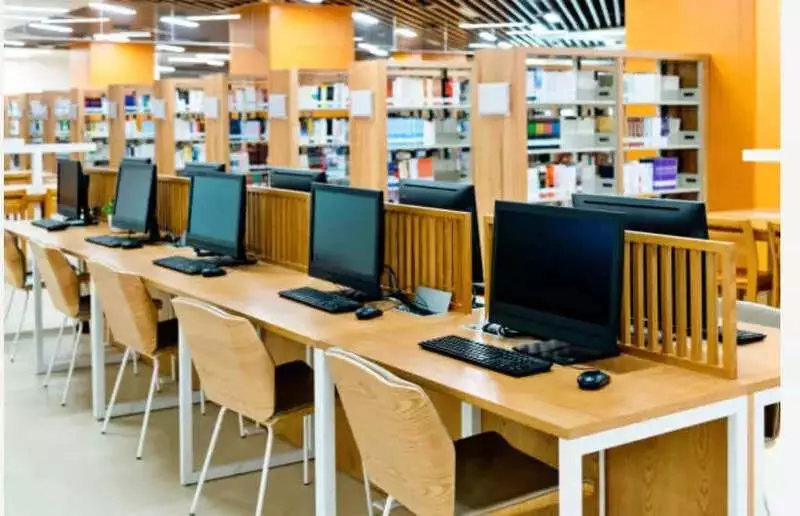
Each library will be a fully-equipped digital learning center. The Panchayati Raj department is tasked with implementing the project, ensuring that every hub is stocked with computers, high-speed internet connectivity, and a vast repository of digital study material. This includes e-books, video lectures, audio content, and interactive quizzes.

Investment and Infrastructure Details
District officials have outlined a clear financial blueprint for the initiative. Chief Development Officer Pratibha Singh stated that approximately Rs 4 lakh will be invested in setting up each library. This budget has been strategically allocated:
- Rs 2 lakh for procuring books from reputed authors.
- Rs 1.30 lakh for essential IT equipment and hardware.
- Around Rs 7,000 for modern furniture to create a conducive learning environment.
In total, students will have access to nearly 20,000 digital learning resources, transforming these spaces into potent academic support centers.
Management and Expected Impact
The day-to-day operations of these libraries will be managed locally by the Gram Pradhan and Secretary, with higher-level officials providing regular monitoring to ensure efficacy. District Panchayati Raj Officer Manish Kumar emphasized the transformative potential of the libraries, calling them "comprehensive learning hubs."
"Students will not only have traditional books but also cutting-edge digital content that can significantly boost their preparation for various competitive examinations," Kumar explained. This initiative is more than just providing books; it's about integrating technology into the core of rural education, offering a sustainable model for academic growth and opportunity.
The move is widely seen as a crucial step in harnessing digital tools for inclusive development, directly supporting the youth of rural Agra in their educational and career aspirations without the burden of prohibitive costs.