TC Hope's 1876 Educational Reform: A Radical Shift in Gujarati Language Teaching
In 1876, a former British educational inspector named TC Hope made a groundbreaking decision that would transform how Gujarati was taught to children. Observing that young learners suffered under the weight of tedious, repetitive drills, Hope authored a book titled 'Gujarati Peheli Chopdi' or 'Gujarati First Book'. This publication represented a complete 'U' turn against the traditional, rote-based methods that left students frustrated and weary.
From Boring Drills to Personal Connections
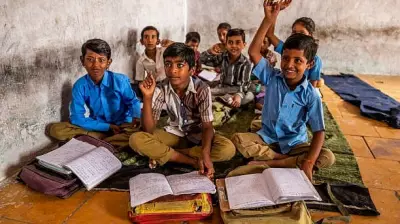
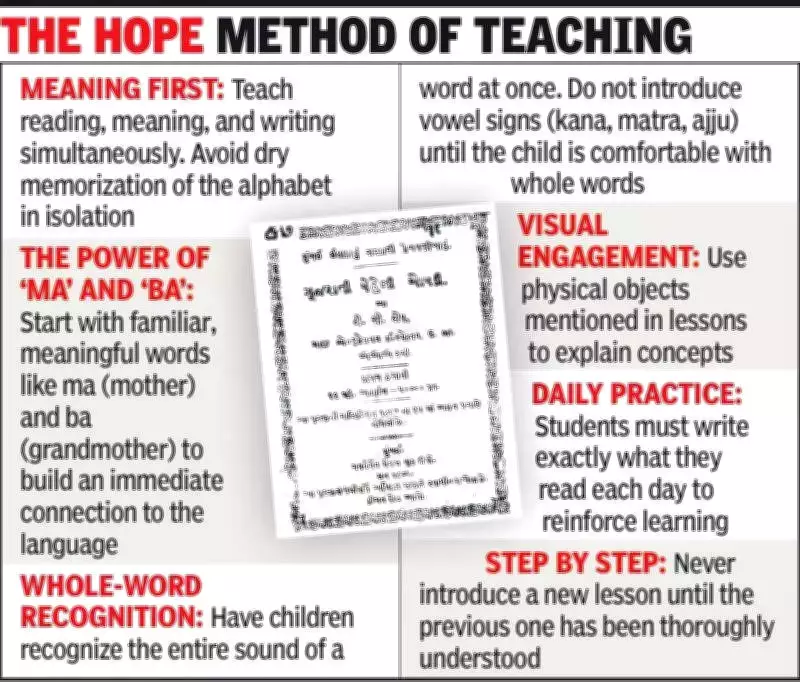
Hope's innovative approach began with the very first words a child would learn: 'Ma' (mother) and 'Ba' (grandmother). In his manual for teachers, he explained that by starting with people children love, lessons could feel personal rather than clinical. This was a stark departure from the old system, where students spent extensive time memorizing the alphabet (moolakshar), syllables (barakhadi), and complex conjunct characters (jodakshar) before ever reading a real sentence.
Rizwan Kadri, a city-based historian and member of the Prime Minister's Museum and Library in New Delhi, notes that the previous method was all about rote learning, which he describes as exhausting. Hope's new method flipped the script entirely, emphasizing that learning should be full of 'ras' (interest and fun). Instead of breaking words down into dry grammatical components, he insisted that children should learn reading, writing, and the meaning of words simultaneously.

Practical Implementation and Teacher Guidelines
Teachers were instructed to avoid explaining technical elements like vowel signs (kana or matra) at the outset. Instead, they were to point to a word such as 'ma' and have the child immediately recognize the whole sound and its meaning. Kadri elaborates that educators were asked to show children whatever was mentioned in the lesson and explain its material and make, fostering a more engaging and intuitive learning environment.
This holistic approach not only made lessons more enjoyable but also aimed to reduce the frustration associated with traditional memorization techniques. Hope's vision was to create a system where language acquisition felt natural and connected to everyday life, rather than a chore.
Legacy and Impact on Modern Education
TC Hope's 'Gujarati Peheli Chopdi' stands as a significant milestone in the history of educational reform in Gujarat. By prioritizing interest and personal relevance over rote drills, it laid the groundwork for more student-centered teaching methods. Historians like Kadri highlight how this shift helped alleviate the weariness that plagued earlier generations of learners, making language education more accessible and effective.
Today, Hope's principles continue to influence pedagogical strategies, reminding educators of the importance of making learning meaningful and engaging. His work underscores the enduring value of innovative thinking in overcoming educational challenges and enhancing student outcomes.