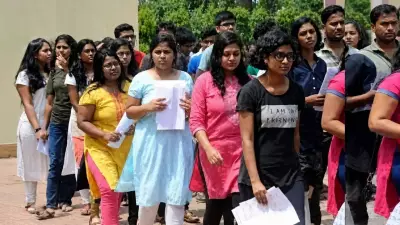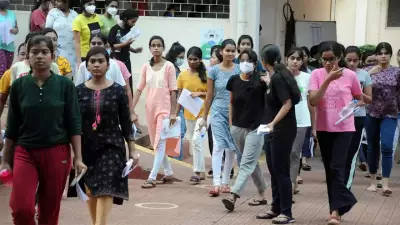
In a decisive move to protect young students from the biting cold, the Bhopal district administration has issued a significant directive affecting school schedules. All schools in the district, encompassing classes from nursery to standard eight, have been ordered to commence their day at 9:30 AM instead of the usual timings. This order, announced on January 4, 2026, comes as a direct response to an active cold wave alert issued by the India Meteorological Department (IMD) for the region.
Administrative Directive for Student Welfare
The official order, released by the Bhopal District Magistrate's office, mandates the revised timing specifically for the safety and well-being of children. The administration has taken a proactive stance, recognizing the health risks posed by exposing young students to severe cold conditions during early morning hours. The directive is clear and applies uniformly to all educational institutions falling under the specified classes within the Bhopal district jurisdiction.
This is not an isolated adjustment but a part of a structured cold wave action plan often activated by local authorities during extreme weather events. The primary objective is to minimize the risk of cold-related illnesses such as frostnip, hypothermia, and aggravated respiratory issues among school-going children. By allowing the sun to rise higher and temperatures to become slightly more bearable, the administration aims to ensure a safer commute and school environment.

Understanding the Weather Trigger
The decision stems from a formal cold wave alert issued by the IMD for Bhopal and surrounding areas. A cold wave is declared when the minimum temperature dips significantly below the normal average for the region, or when it falls to a specific threshold, often below 10 degrees Celsius for plains, accompanied by cold winds. Bhopal has been experiencing such harsh conditions, prompting the weather bureau to issue warnings.
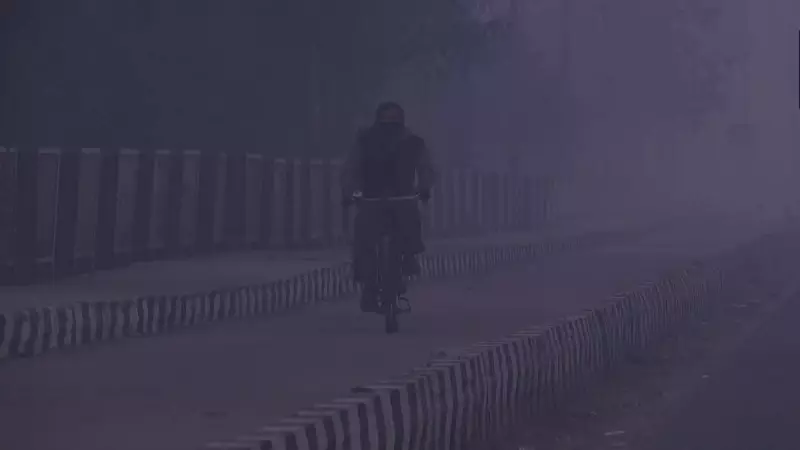
Local reports indicate dense morning fog and a sharp, piercing chill that has gripped the city, making early outdoor activities hazardous. The IMD's forecast suggests the persistence of these conditions, justifying the administrative intervention. The district administration consistently monitors such alerts and implements standard operating procedures to safeguard public health, with school children being a particularly vulnerable demographic.
Implications for Schools and Parents
The order has immediate and practical implications for the daily routine of thousands of families and school administrations. School authorities are required to adjust their transportation schedules, teacher shifts, and academic timetables to accommodate the delayed start. The directive explicitly covers the foundational and middle school years (nursery to Class 8), acknowledging that younger children are more susceptible to extreme weather.
For parents, this change necessitates a revision of morning routines but offers reassurance regarding their children's safety. The administration has urged parents to ensure children are dressed in warm, layered clothing—including woolen caps, socks, and mufflers—even with the adjusted timings. They have also been advised to monitor children for any signs of discomfort or illness due to the cold.
Important Note: The order, as of this reporting, applies specifically to schools with classes from nursery to standard 8. The timings for senior classes (9 to 12) and other educational institutions like colleges remain unaffected unless a separate order is issued. Schools are expected to strictly comply with the directive, and the district education office may conduct checks to ensure adherence.
Broader Context and Precedents
Such measures are not unprecedented in North and Central India during the peak winter months. Several states, including Punjab, Haryana, Delhi, and Uttar Pradesh, have historically delayed school timings or declared winter vacations in response to severe cold waves and fog. The Bhopal administration's move aligns with this preventative approach to public health management.

The step underscores the increasing responsiveness of civic bodies to weather-related challenges. It highlights a shift towards prioritizing student welfare and adaptive governance. Experts in child health have welcomed the decision, stating that prolonged exposure to cold waves can adversely affect concentration, attendance, and overall physical health of students.
As the city navigates this cold spell, residents are advised to stay updated with official weather bulletins from the IMD and follow all guidelines issued by the district administration. The current order will remain in effect until the cold wave alert is withdrawn or modified by the authorities, based on subsequent weather assessments.