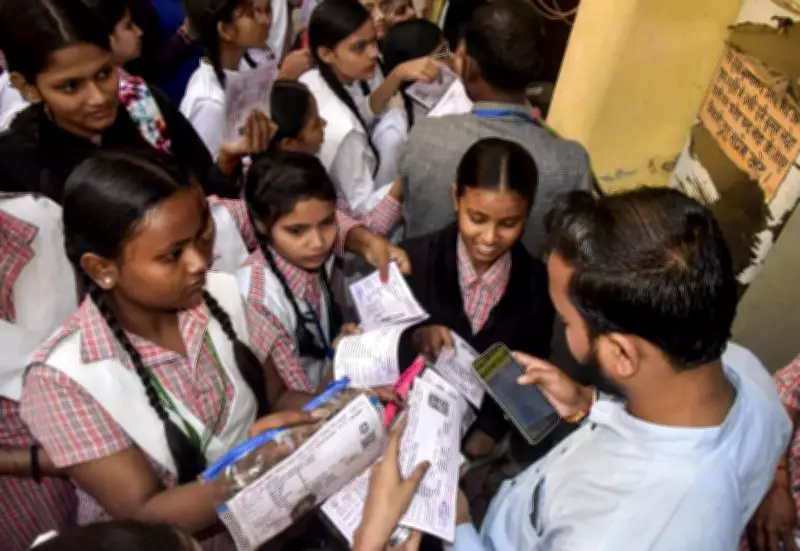
CBSE Class 10 Home Science Paper 2026: A Detailed Analysis
The Central Board of Secondary Education (CBSE) conducted the Class 10 Home Science examination for the academic year 2025-26 on February 18, 2026. This subject, which integrates practical life skills with academic knowledge, has garnered significant attention from students, parents, and educators alike. The paper aimed to assess students' understanding of topics such as nutrition, resource management, textiles, and human development, aligning with the board's emphasis on holistic education.
Student Reactions to the Home Science Paper
Initial feedback from students who appeared for the exam indicates a mixed response. Many students found the paper to be moderately challenging, with questions covering a broad spectrum of the syllabus. Some reported that sections on nutrition and food science were straightforward, while others felt that questions related to resource management required deeper analytical thinking. A common sentiment among students was that the paper was balanced, with a good mix of theoretical and application-based questions, though time management was a concern for a few.
Students appreciated the inclusion of real-life scenarios in the questions, which made the paper more engaging. For instance, questions on budgeting for household expenses or designing a balanced meal plan were highlighted as practical and relevant. However, a minor section on textile science was noted as slightly tricky by some, leading to varied performance levels across different parts of the paper.

Teacher Perspectives on the Examination
Educators and subject experts have weighed in on the CBSE Class 10 Home Science paper, offering insights into its structure and difficulty. Teachers described the paper as well-structured and aligned with the latest curriculum guidelines. They noted that the question paper effectively tested students' conceptual clarity and ability to apply knowledge in everyday contexts.
According to teachers, the paper emphasized critical thinking and problem-solving skills, particularly in sections dealing with family dynamics and consumer education. Some educators pointed out that the marking scheme appeared fair, with clear instructions that helped reduce ambiguity. However, a few teachers suggested that future papers could include more innovative questions to further challenge high-achieving students, while ensuring accessibility for all.
Key Topics and Question Patterns
The Home Science paper for 2026 covered several core areas, as outlined below:
- Nutrition and Health: Questions focused on balanced diets, food groups, and dietary requirements for different age groups.
- Resource Management: This section included topics like budgeting, time management, and sustainable living practices.
- Textiles and Clothing: Students were tested on fabric types, care labels, and basic sewing techniques.
- Human Development: Questions explored child development stages, parenting skills, and family relationships.
- Consumer Education: This part assessed awareness of consumer rights, product labeling, and smart shopping habits.
The question pattern comprised multiple-choice questions, short answer types, and long answer questions, designed to evaluate a range of cognitive skills from recall to analysis. Teachers observed that the distribution of marks across topics was equitable, reflecting the syllabus weightage accurately.
Overall Assessment and Implications
Overall, the CBSE Class 10 Home Science paper for 2026 has been received positively by both students and teachers. It successfully balanced academic rigor with practical relevance, fostering a learning environment that goes beyond rote memorization. The paper's focus on life skills aligns with broader educational goals of preparing students for real-world challenges.
As the board continues to refine its assessment methods, feedback from this exam will likely influence future question papers, ensuring they remain comprehensive and student-friendly. For now, students can look forward to results that reflect their understanding of essential home science concepts, with performance expected to be in line with previous years' trends.