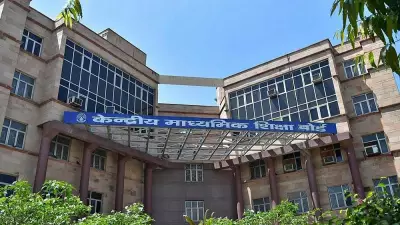
CBSE Mandates Comprehensive Menstrual Hygiene Management in All Affiliated Schools
The Central Board of Secondary Education (CBSE) has issued a landmark directive requiring all its affiliated schools to implement comprehensive menstrual hygiene management (MHM) measures. This significant move comes in direct response to a recent Supreme Court ruling that officially recognizes menstrual health as a fundamental right intrinsically tied to dignity, education, and equal opportunity for all students.
Supreme Court Links Menstrual Health to Constitutional Rights
The CBSE directive was specifically issued following a Supreme Court ruling dated January 20, 2026, which established that access to dignified menstruation constitutes a crucial aspect of Article 21 of the Indian Constitution. The Court decisively ruled that the failure to provide proper sanitary facilities to girls during menstruation directly impacts their educational access and violates their fundamental right to equality. Furthermore, the Supreme Court issued an ongoing mandamus, making it obligatory for schools across all States and Union Territories to execute specific measures ensuring comprehensive menstrual hygiene support.
Major Directions Issued to CBSE Schools
CBSE has outlined a detailed set of mandatory steps that all affiliated schools must implement immediately:

- Improved Infrastructure: Schools are directed to provide girls with safe, hygienic, and accessible toilet and washing facilities specifically designed to support menstrual hygiene needs.
- Sanitary Products Access: Schools must ensure girls have reliable access to biodegradable sanitary napkins and establish dedicated MHM corners within school premises.
- Safe Disposal Mechanisms: Schools need to implement proper, environmentally responsible systems for the disposal of sanitary waste to maintain hygiene and safety standards.
- Comprehensive Awareness Programs: Schools are required to conduct regular training sessions on girls' health, puberty education, and gender-sensitive discussions following NCERT and SCERT guidelines.
- Monitoring Through Inspections: Schools must fully cooperate with inspections conducted by District Education Officers to ensure compliance with all mandated measures.
Compliance Deadlines and Reporting Requirements
Schools have received specific instructions regarding compliance deadlines and reporting procedures. The first comprehensive compliance report must be submitted before March 31, 2026, followed by a second report due by April 30, 2026. All reports must be submitted exclusively through an official Google form that will be shared directly by CBSE authorities to streamline the monitoring process.
Focus on Creating an Inclusive and Supportive School Environment
The CBSE has strongly emphasized that beyond physical infrastructure improvements, schools must actively work toward fostering an inclusive, supportive, and stigma-free environment for all students. By integrating menstrual health education into regular school discussions and activities, educational institutions can play a transformative role in normalizing these conversations and providing crucial support to adolescent girls during their developmental years.
This directive represents a broader, systemic push toward ensuring that schools not only deliver academic education but also actively uphold the dignity, health, and overall well-being of every student. The implementation of these measures is expected to create safer, more equitable learning environments while addressing persistent gaps in sanitation and health education that have historically affected educational outcomes for girls across India.