

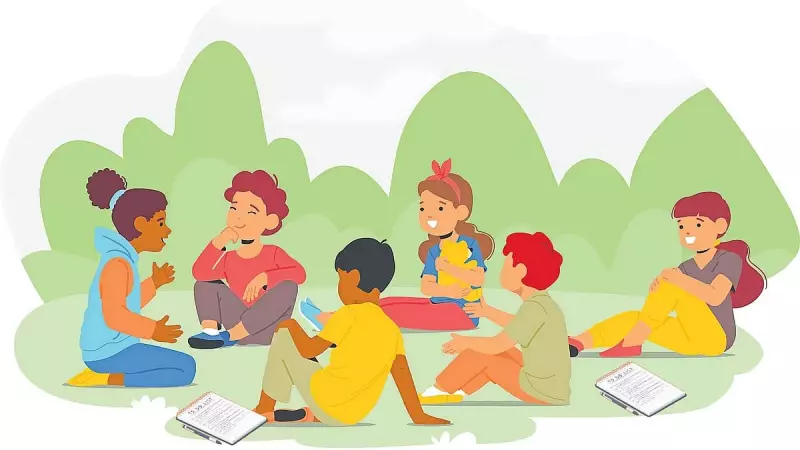
As India prepares to celebrate Children's Day on November 14th, a growing movement of parents and educators are focusing on a different kind of gift - the lifelong value of generosity. Rather than just receiving presents, children across the country are learning that true happiness often comes from giving to others.
The Transformative Power of Early Giving
Child development experts emphasize that teaching children about generosity from an early age creates lasting positive impacts. When children experience the joy of helping others, they develop empathy and social responsibility that stays with them throughout their lives. The simple act of sharing toys with siblings or classmates becomes the foundation for more significant charitable actions later in life.
Many schools and families are using Children's Day as an opportunity to shift focus from material gifts to meaningful experiences. Instead of another toy that might be forgotten in weeks, children are encouraged to participate in activities that benefit their communities. This approach aligns with the broader educational philosophy that character development is as crucial as academic achievement.

Practical Ways to Encourage Generosity
Parents often wonder how to instill charitable values in their children without making it feel like a chore. The key lies in making giving a natural and enjoyable part of family life. Simple activities like donating old toys to less fortunate children or participating in community clean-up drives can make abstract concepts concrete for young minds.
Educational institutions are incorporating social responsibility into their curriculum through various initiatives. Some schools organize "giving circles" where students collectively decide how to allocate small amounts of money to charitable causes. Others partner with local NGOs to create age-appropriate volunteering opportunities. These experiences help children understand real-world challenges while feeling empowered to make a difference.
Family traditions around giving can be particularly powerful. Setting aside a portion of allowance for charity, volunteering together during holidays, or creating homemade gifts for elderly neighbors are all practices that reinforce the message that giving is a normal and rewarding part of life.
Long-term Benefits of Raising Generous Children
The impact of teaching children about generosity extends far beyond immediate charitable acts. Children who regularly engage in giving behaviors develop stronger emotional intelligence and better social skills. They learn to appreciate what they have while understanding that not everyone shares the same advantages.
Research in child psychology suggests that children who practice generosity experience increased happiness and self-esteem. The positive reinforcement they receive from helping others creates a virtuous cycle where giving becomes intrinsically rewarding. This emotional benefit often surpasses the temporary excitement of receiving material gifts.
As these children grow into adults, the early lessons in generosity shape their approach to community engagement and social responsibility. They're more likely to become active citizens who contribute to their communities in meaningful ways. The simple values learned in childhood - sharing, empathy, and kindness - become the building blocks for a more compassionate society.
This Children's Day represents an opportunity to start new traditions that prioritize character development alongside celebration. By giving children the gift of understanding generosity, we provide them with tools for lifelong happiness and positive social impact that no material present could ever match.






