DC Model School Conducts Annual Entrance Examination for EWS Students
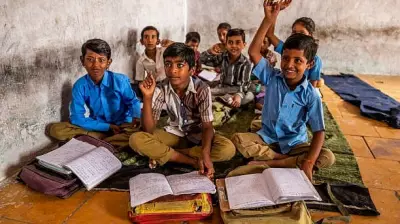
DC Model School, a prominent educational institution in Delhi, successfully conducted its annual entrance examination for students belonging to the Economically Weaker Sections (EWS) category. This initiative is part of the school's commitment to fulfilling the mandates of the Right to Education (RTE) Act, which aims to ensure inclusive and equitable quality education for all children.
Examination Details and Process
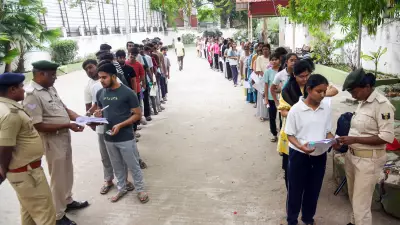
The entrance examination was held on the school premises, with a structured process to assess the academic potential of applicants. School authorities reported a significant turnout, reflecting the high demand for quality education among underprivileged families. The exam covered basic subjects such as mathematics, language skills, and general knowledge, tailored to evaluate the foundational learning abilities of the candidates.
Key aspects of the examination included:

- Eligibility Criteria: Applicants must be from families falling under the EWS category as defined by government norms.
- Admission Quota: The school reserves a specific percentage of seats for EWS students as per RTE guidelines.
- Transparent Evaluation: The answer sheets were evaluated by a panel of experienced teachers to ensure fairness and accuracy.
Importance Under the Right to Education Act
This annual exam aligns with the provisions of the Right to Education Act, which mandates private unaided schools to reserve at least 25% of their entry-level seats for children from disadvantaged backgrounds. By conducting this entrance test, DC Model School not only complies with legal requirements but also actively promotes social inclusion and educational equity.
Benefits for EWS students include:
- Access to high-quality infrastructure and learning resources.
- Opportunities for holistic development through extracurricular activities.
- Exposure to a diverse peer group, fostering social integration.
School's Commitment and Future Plans
The school administration emphasized its dedication to supporting EWS students beyond mere admission. Plans include providing necessary academic support, such as remedial classes and mentorship programs, to help these students thrive academically. Additionally, the school aims to collaborate with NGOs and government bodies to enhance outreach and ensure that more eligible children benefit from such initiatives.
In conclusion, the annual entrance examination at DC Model School serves as a critical step toward bridging educational gaps and empowering economically disadvantaged students. It underscores the institution's role in fostering an inclusive learning environment that contributes to broader societal development.