Delhi Government Announces Delay in Implementation of School Fee Regulation Law
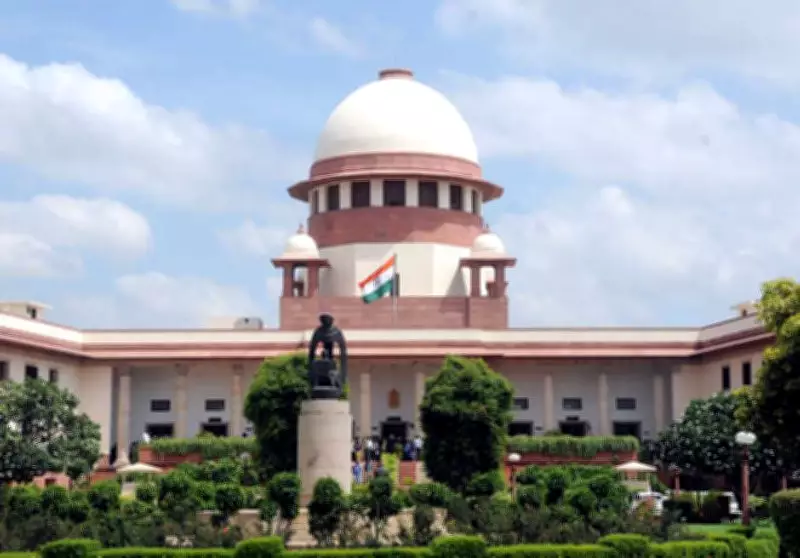
The Delhi government has officially communicated to the Supreme Court that the much-anticipated new law aimed at regulating school fees will not be enforced during the upcoming 2025-26 academic session. This announcement comes as a significant development in the ongoing efforts to address concerns over fee structures in private educational institutions across the national capital.
Reasons Behind the Postponement
According to the submission made to the Supreme Court, the delay in implementing the school fee regulation law is primarily attributed to procedural requirements and administrative processes that are still underway. The government has emphasized that these steps are essential to ensure the legislation is robust, effective, and capable of achieving its intended objectives without legal loopholes.
The new law is designed to introduce stricter oversight on fee hikes, enhance transparency in billing practices, and protect parents from arbitrary charges imposed by private schools. By postponing its implementation to the 2026-27 academic year, authorities aim to finalize all necessary frameworks, including guidelines for fee determination, grievance redressal mechanisms, and compliance protocols for schools.

Implications for Stakeholders
The decision to delay the law has sparked mixed reactions among various stakeholders. Parents and advocacy groups, who have long demanded more affordable and predictable fee structures, may view this as a setback in their pursuit of educational equity. On the other hand, private school associations might welcome the additional time to align their operations with the forthcoming regulations and prepare for potential adjustments in their financial models.
Experts suggest that this postponement could allow for more comprehensive consultations with educational institutions, ensuring that the final law balances the interests of all parties involved. It also provides an opportunity to incorporate feedback from recent studies on educational costs and inflation trends, potentially leading to a more nuanced and sustainable regulatory approach.
Background and Legal Context
The push for a school fee regulation law in Delhi stems from widespread complaints about exorbitant and non-transparent fee hikes in private schools, which have placed a significant financial burden on middle-class and low-income families. Previous attempts at regulation through government notifications and court interventions have faced challenges in enforcement and legal validity, prompting the need for a dedicated legislative framework.
The Delhi government's move to enact this law is part of a broader trend in Indian education policy, where several states have introduced similar measures to curb commercialization in schooling. However, the complexity of balancing school autonomy with parental affordability has often led to delays and debates, as seen in this case.
Looking Ahead
With the implementation now slated for the 2026-27 academic year, the focus shifts to the preparatory phase. Key steps expected in the coming months include:
- Finalizing the draft legislation and submitting it for legislative approval.
- Establishing a regulatory body or committee to oversee fee structures and address complaints.
- Conducting awareness campaigns to inform parents and schools about the new rules and their rights and responsibilities.
- Monitoring compliance and ensuring that the law does not inadvertently affect the quality of education or operational viability of schools.
As the Delhi government works towards this deadline, stakeholders will be closely watching for updates on the law's provisions and its potential impact on the educational landscape. The Supreme Court's role in monitoring this process adds a layer of judicial oversight, underscoring the importance of timely and effective implementation to uphold the right to affordable education.