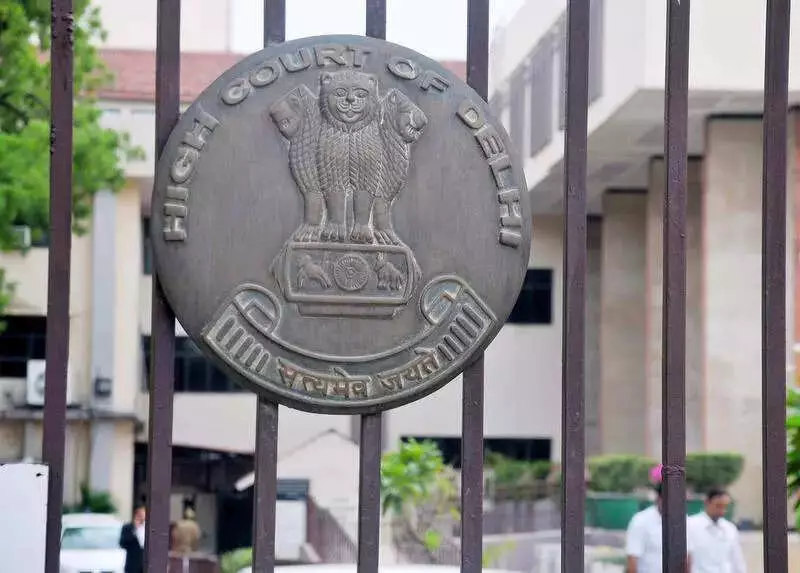
The Delhi High Court has stepped into a significant legal dispute concerning the autonomy of minority educational institutions in the capital. On Friday, the court formally sought the stance of the Lieutenant Governor (LG) and the Directorate of Education (DoE) regarding multiple petitions filed by several minority schools. These institutions are contesting the constitutional validity of a new law that makes government approval mandatory for any increase in school fees.
Court Issues Notice, Sets Timeline for Response
A bench led by Chief Justice DK Upadhyaya and including Justice Tejas Karia took up the batch of pleas. The bench issued a formal notice to the offices of the Lieutenant Governor and the Directorate of Education, directing them to file their replies to the petitions within a period of six weeks. The court has scheduled the next hearing in this important matter for March 12, 2025, setting the stage for a detailed legal examination.
The Core of the Legal Challenge
The petitions target the Delhi School Education (Transparency in Fixation and Regulation of Fees) Act, 2025. The central argument put forth by the minority schools is that specific provisions within this Act infringe upon the constitutional protections guaranteed to them. These protections, they argue, are designed to safeguard the administration of minority institutions, a principle enshrined in the Constitution.

Under the contested Act, any proposal to raise school fees must secure approval through a structured, three-tier committee system. This committee is designed to include representatives from three key stakeholders:
- Parents of students
- The school management itself
- Government nominees
The schools contend that this mandatory external approval process violates their right to manage their own affairs.
Immediate Relief Granted by the Court
In a parallel move to its actions concerning private schools a day earlier, the High Court provided interim relief to the minority institutions on procedural deadlines. The bench extended the timeframe for these schools to constitute the mandatory fee committees. The original deadline of January 10 has now been pushed to January 20.
Furthermore, the court also extended the crucial date for school managements to submit their proposed fee structures to these committees. The last date for this submission has been moved from January 25 to February 5. These extensions offer the petitioner schools temporary breathing room while the larger constitutional question is debated.
This case highlights the ongoing tension between regulatory oversight for transparency and consumer protection, and the autonomous rights granted to minority educational institutions under Indian law. The outcome of the hearing on March 12 will be closely watched by the education sector across Delhi.