Delhi Schools Struggle with Severe Counselor Shortage Amid Mental Health Push
New Delhi is witnessing a paradoxical situation in its education sector. While several Delhi schools have begun implementing structured emotional wellbeing lessons through innovative programs like the Science of Living curriculum and CM SHRI initiatives, this progressive push is being severely undermined by a critical infrastructure gap. Government schools across the capital continue to face a stark shortage of trained counselors needed to provide adequate support to students.
The Alarming Numbers Behind the Counselor Crisis
Official estimates reveal the staggering scale of the problem. To achieve the ideal ratio of one counselor for every 250-300 students, Delhi would require nearly 6,000 to 7,000 trained mental health professionals working within its school system. Even meeting the more modest Central Board of Secondary Education (CBSE) guideline of one counselor for every 500 students would necessitate deploying approximately 3,500 to 3,600 counselors across educational institutions.
"The promise of universal emotional support will remain uneven until staffing levels align with policy expectations," education experts warn, highlighting the disconnect between ambitious wellbeing programs and the practical resources available to implement them effectively.

New Curriculum Initiatives and Their Limitations
Despite the staffing challenges, conversations around mental health are gradually entering Delhi's classrooms through structured programs. The Science of Living curriculum incorporates yoga, meditation, and mindfulness lessons designed to build emotional resilience. Meanwhile, CM SHRI Schools focus on holistic development approaches that extend beyond traditional academic metrics.
Education authorities are reportedly considering implementing a dedicated mental-health framework to standardize wellbeing practices across all schools. However, according to educators and psychologists working directly with students, curriculum changes alone cannot address the depth of need present in today's educational environment.
The Practical Realities in Government Schools
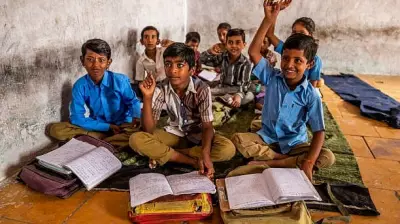
The counselor shortage creates tangible problems in daily school operations. In many government institutions, the few available counselors are shared across multiple campuses, severely restricting their ability to provide sustained, meaningful engagement with students. Delays in accessing support have become commonplace, and in numerous cases, teachers are expected to fill the professional gap despite lacking specialized training.
"Many sanctioned counseling posts remain vacant, leaving teachers to manage emotional concerns alongside academic responsibilities," explained a government schoolteacher who requested anonymity. This dual burden places significant strain on educators already managing demanding workloads.
The Growing Spectrum of Student Challenges
The need for timely intervention has never been more critical as adolescents navigate increasingly complex challenges. Students today grapple with intense exam pressure, bullying and cyberbullying incidents, family conflicts, grief, trauma, and in some instances, substance abuse issues. Without proper counseling support, these challenges can intensify dramatically, affecting attendance, academic performance, and long-term self-esteem.
Psychologist Kadambari Katoch observes, "Students frequently come in with exam anxiety, peer issues, grief or family stress. Some turn to unhealthy coping mechanisms. Early counseling can prevent these concerns from escalating."
Identifying Subtle Signs of Distress
Mental-health struggles do not always manifest in obvious ways. Distress may surface through behavioral changes like increased irritability, social withdrawal, frequent physical complaints without medical cause, or declining academic interest. Teachers often become the first to notice these subtle shifts, underscoring the urgent need for systematic referral mechanisms that connect observations with professional support.

At a government school in Kalkaji, educators report that open dialogue about mental health is gradually reducing stigma. "When we discuss mental-health terms in class, students feel more comfortable expressing stress or anxiety," a teacher noted, adding that early exposure to emotional vocabulary fosters crucial emotional literacy skills.
The Private School Contrast and Policy Evolution
Meanwhile, private schools in Delhi demonstrate a contrasting reality, with many institutions meeting or exceeding CBSE norms by employing full-time counselors who address academic stress, peer conflicts, career planning, and emotional concerns comprehensively. The CBSE has recently advised schools to appoint two separate professionals—one dedicated to socio-emotional wellbeing and another focused on career guidance—replacing the earlier model where a single counselor handled both roles.
Tragedy as Catalyst for Change
The urgency around student wellbeing intensified significantly after the tragic suicide of a 16-year-old Class X student in November last year, prompting renewed calls for stronger safeguards within educational institutions. Since this incident, the Delhi government has repeatedly reiterated its commitment to building more supportive school environments and strengthening counseling services.
Education officials maintain that expanding counselor recruitment and enhancing teacher sensitization remain top priorities. Experts emphasize that trained counselors serve as vital links between students, families, and educators, enabling early identification of problems and preventing long-term psychological fallout.
For now, awareness of student mental health needs is rising faster than the infrastructure required to sustain meaningful support systems, leaving Delhi's government schools striving to bridge the significant gap between policy intent and practical, on-ground implementation.