Delhi Government Unveils Rs 19,148 Crore Education Budget for 2026-27
The Delhi government has announced a transformative push for education in its 2026–27 Budget, allocating a substantial Rs 19,148 crore to the sector. This significant investment focuses on expanding access, upgrading infrastructure, and introducing student-centric initiatives to modernize the education system across the national capital.
Chief Minister Presents Vision for Public Education
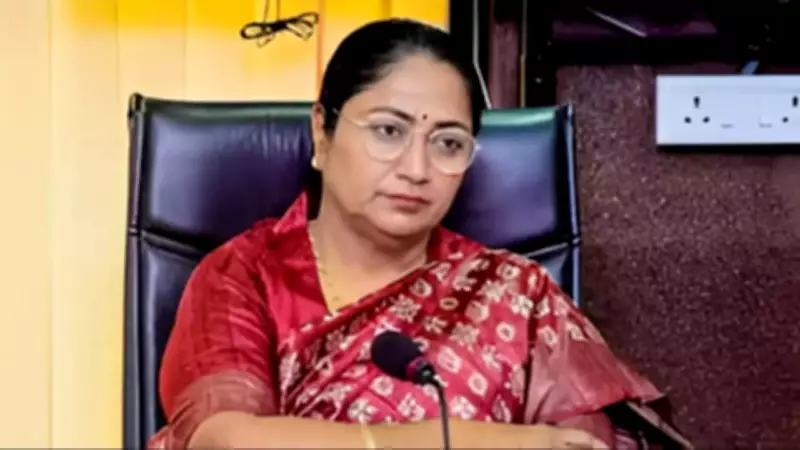
Chief Minister Rekha Gupta presented the Budget in the Assembly, emphasizing the commitment to strengthening public education through higher spending, improved facilities, and technology-driven learning. According to PTI reports, the proposals reflect a broader effort to enhance both access and quality across all government institutions, aiming to create a more equitable and advanced educational landscape.
Enhancing Accessibility and Student Support
One of the standout measures is the plan to increase accessibility for girls in schools. The government will provide free bicycles to 1.30 lakh Class 9 girl students in Delhi government schools, with an allocation of Rs 90 crore. This initiative is designed to encourage attendance and reduce barriers to education.

Additionally, the Budget includes provisions for laptops to Class 10 girl students, which is expected to boost digital learning and help bridge the digital divide. Support systems linked to welfare, including specific provisions for SC, ST, and OBC communities, are also part of the plan to ensure inclusive education.
Digital Push and Classroom Modernization
A major portion of the Budget allocation will be used to upgrade classrooms in government schools. The government plans to upgrade 8,777 classrooms with smart boards, funded by Rs 150 crore for the rollout of smart classes. This move is likely to introduce innovative teaching methods and align government schools with contemporary education trends, fostering a more interactive learning environment.
Expansion of Educational Infrastructure
The Budget proposes several measures for developing new schools and higher education facilities. Key announcements include the establishment of 10 Kendriya Vidyalayas in Delhi to provide access to centrally administered schools, addressing the demand for quality education.
Furthermore, the government has proposed measures for the development of new medical colleges and an increase in seats, responding to long-pending needs in medical education and training. A notable initiative is the proposed integrated education city in Narela, which will include academic institutions, research facilities, and innovation centers, creating a hub for higher education and advanced training.
Broader Framework for Holistic Education Growth
Beyond direct student benefits and infrastructure upgrades, the Budget includes proposals for a startup policy and incubation in the education sector, encouraging innovation and entrepreneurship. Allocations for complementary sectors such as transportation, urban development, and social welfare are also part of the plan, which may indirectly impact students by improving overall living and learning conditions.
With this multi-level approach combining investments in access, infrastructure, and technology, the Delhi Budget for FY27 aims to significantly enhance the education system, setting a precedent for future developments in the region.